Roof Repair vs Replacement: How to Decide Which Option Saves Money

Published: September 12, 2026
Deciding whether your roof needs a targeted repair or a full replacement comes down to three primary factors: the percentage of surface area affected, the age of the roofing material, and whether structural decking has been compromised. As a general rule of thumb, if damage affects less than 15% to 20% of the roof and the material is in the first half of its expected lifespan, a localized repair is almost always the correct financial and structural choice. Conversely, if damage exceeds 30% of the surface area, the roof is within the last 25% of its lifespan, or you spot structural sagging, a full replacement provides a better long-term return on investment.
The 30% Rule and Core Decision Framework
Homeowners often panic at the first sign of a water stain or a missing shingle, immediately assuming an expensive full-scale replacement is required. However, roofing professionals evaluate damage using strict proportional guidelines. If damage is isolated to a single slope, a specific valley, or around one plumbing penetration, patching or replacing a small section preserves your budget.
The main decision hinges on the 30% threshold. When storm damage, granule loss, or weathering affects more than 30% of the total roof surface, patching multiple isolated spots creates a patchwork quilt of different material ages and waterproofing vulnerabilities. At that stage, ongoing repair bills quickly outpace the cost of installing a cohesive new roofing system.
Signs Your Roof Only Needs a Repair
Not every leak or missing shingle signals the death of your roof. Targeted repairs are highly effective when damage is recent, localized, and restricted to exterior wear rather than systemic failure.
- Localized missing or wind-torn shingles: If high winds tear off a handful of architectural shingles on one slope while the rest of the field remains tightly sealed and flexible, replacing those specific shingles and underlayment is standard practice.
- Minor flashing deterioration: Valleys, chimney step flashing, and vent pipe boots are common failure points. If moisture intrusion is traced strictly to deteriorated metal flashing or dried-out rubber boots, replacing the flashing solves the leak without touching the field shingles.
- Small, isolated indoor water stains: A single ceiling stain directly beneath a known roof penetration typically points to a localized flashing or boot failure that can be repaired for a few hundred dollars.
Critical Warning Signs That Demand a Replacement
Ignoring widespread structural or material degradation can lead to rotting roof decks, interior mold growth, and compromised framing. Look for these high-severity indicators:
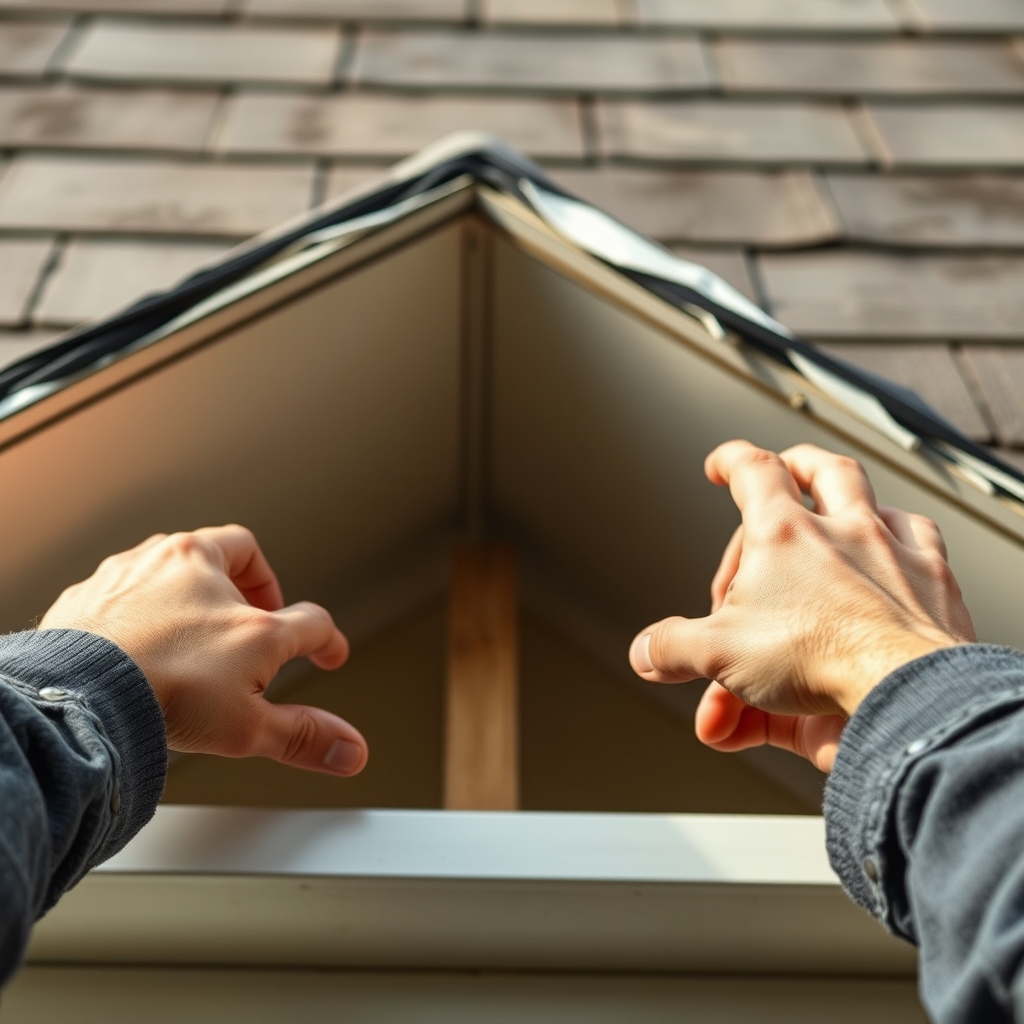
- Widespread shingle curling, cracking, or clawing: When asphalt shingles age past their prime, the volatile oils evaporate, causing edges to curl upward and become brittle. Once curling affects the entire roof surface, individual shingles will simply tear when nailed into during a patch attempt.
- Massive granule loss in gutters: Finding heaps of coarse mineral granules in your downspout splash blocks means the protective asphalt layer has eroded, leaving the fiberglass mat directly exposed to UV radiation and thermal shock.
- Soft, spongy, or sagging roof decking: Stepping onto a roof that feels bouncy underfoot indicates that moisture has rotted the underlying plywood or OSB decking. This structural issue requires a full tear-off to replace damaged wood.
- Daylight visible through attic boards: If you spot direct beams of sunlight shining through your attic roof boards during the day, the roof deck has suffered severe degradation or board separation.
| Condition / Issue | Affected Area | Roof Age | Recommended Action |
|---|---|---|---|
| Missing shingles from a single wind storm | Under 10% | Under 15 years | Repair ($300–$1,200) |
| Cracked shingles and active leaks in multiple spots | 10% – 30% | 15–20 years | Evaluate repair vs replacement quote |
| Sagging roofline, widespread granule loss, rotted decking | Over 30% | Over 20 years | Full Replacement ($12,000–$22,000+) |
The Cost-Per-Remaining-Year Math
Homeowners frequently make the mistake of choosing a cheap repair simply because the upfront invoice is lower, ignoring the long-term cost-per-remaining-year of service life.
Consider an asphalt shingle roof that is 23 years old with a standard 25-year lifespan. If active leaks appear in two places, a roofing contractor might quote $2,500 to patch the valleys and replace damaged courses. That repair may buy two or three years of life, resulting in a cost of roughly $833 to $1,250 per remaining year. By contrast, investing $22,000 in a brand-new architectural shingle system provides 25 years of protection, coming out to about $880 per year while eliminating emergency leak anxiety and property damage risks.
The Golden Rule: If a major repair quote approaches 30% to 40% of the cost of a brand-new roof on an aging system, redirect that money toward a full replacement.
Material-Specific Lifespans and Repair Limits
Different roofing materials age and degrade according to entirely separate timelines, changing how you evaluate repair viability:
- Three-Tab and Architectural Asphalt Shingles: Typically rated for 20 to 25 or 30 years. Repairs make financial sense through year 15. After year 20, brittleness makes surrounding shingles crack when installers attempt to lift them for patching.
- Metal Roofing: Standing seam or corrugated metal systems easily last 30 to 50 years. Because panels are durable, repairs involving fastener replacement, sealant touch-ups, or panel swaps are almost always the correct choice through year 30.
- Tile and Slate: The outer tiles can endure for 50 to 100+ years, but the hidden waterproof underlayment beneath them usually degrades around year 30 to 40. Therefore, replacing tiles is common, but widespread underlayment failure requires lifting tiles for a full underlayment replacement.
Step-by-Step Homeowner Inspection Checklist
Before calling a contractor, safely evaluate your roof from the ground and your attic using this step-by-step checklist:
- Ground-level binocular scan: Stand across the street in daylight. Look for uneven shingle lines, sagging eaves, dark patches indicating moss growth, or missing tabs.
- Gutter inspection: Check downspout splash blocks and gutter troughs for heavy accumulations of mineral granules or pieces of cracked shingle backing.
- Attic flashlight assessment: On a dry day, go into the attic with a strong flashlight. Check the underside of the roof decking for dark water rings, damp insulation, or mold growth.
- Flashing check: Inspect metal flashings around chimneys, skylights, and vent pipes for rust, separation from masonry, or cracked caulking.
- Contractor quote comparison: If repair estimates exceed $3,500, request a competing full-replacement quote to run the cost-per-year calculation before signing.
Reader Questions
Can I install a second layer of shingles right over the old ones to save money?
While local building codes sometimes permit a second layer of asphalt shingles (overlay), most professional roofers advise against it. Overlays trap heat, shorten shingle lifespan by 20% to 30%, conceal rotting deck boards, and add significant dead weight to your home’s framing structure.
Does homeowners insurance cover roof replacement costs?
Standard homeowners insurance policies generally cover roof repairs or replacement when damage is caused by sudden, acute perils like hail, severe windstorms, or falling trees. Normal wear and tear, age-related deterioration, and lack of maintenance are virtually never covered.
How can I tell if mold in my attic is caused by a roof leak or poor ventilation?
Roof leak mold typically concentrates in a distinct streak or circular pattern directly beneath a penetration or flashing failure. In contrast, widespread frost buildup, dampness, and mold across all north-facing roof boards usually point to inadequate attic ventilation and trapped interior humidity.


Comments
Post a Comment