Signs Your Roof Needs Replacing vs Repairing: Key Indicators for Homeowners
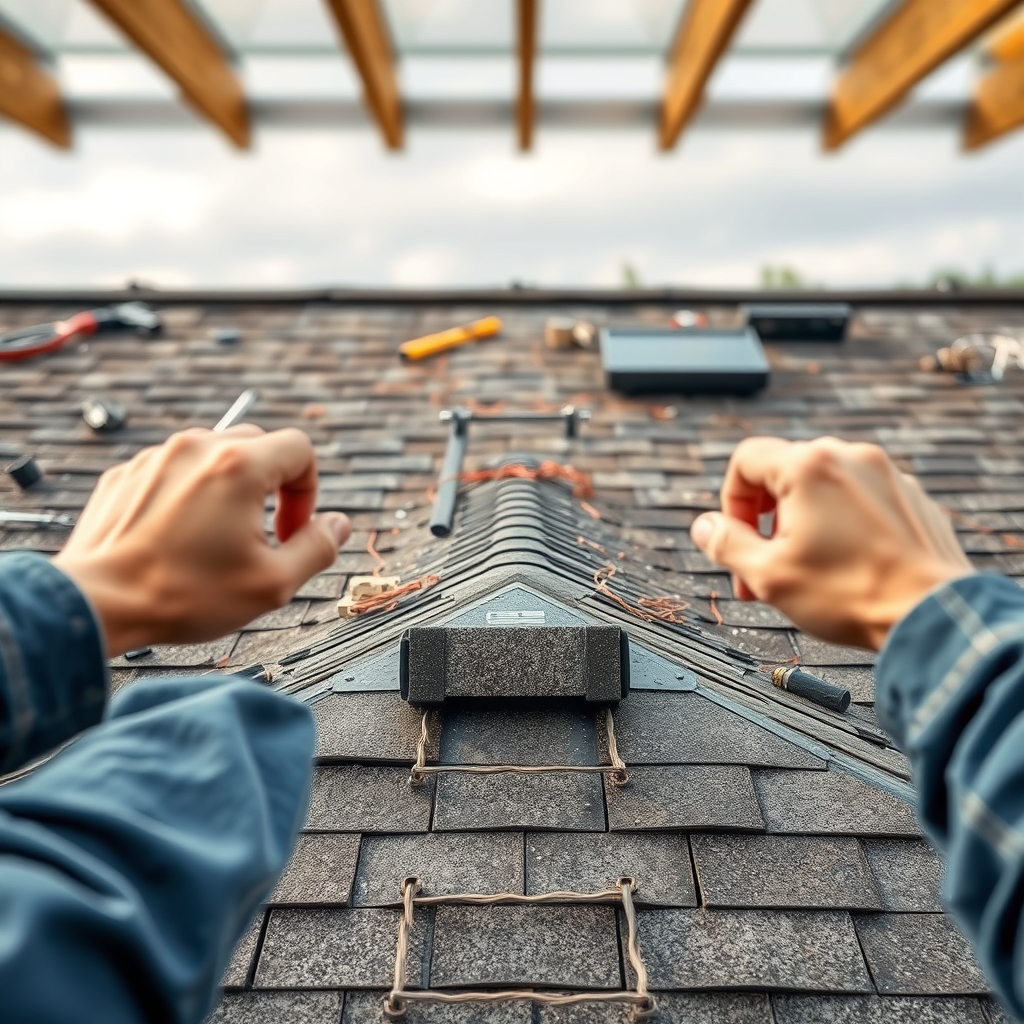
Deciding whether your roof needs a localized patch or a complete tear-off is one of the most high-stakes financial choices a homeowner faces. Choosing a repair when replacement is necessary often leads to compounding water damage, wasted contractor fees, and emergency leaks. Conversely, replacing a structurally sound roof prematurely wastes thousands of dollars. The definitive dividing line comes down to three factors: roof age relative to its material lifespan, the distribution of damage across multiple slopes, and whether underlying decking or flashing has failed systemically rather than superficially.
Core Decision Framework: Repair vs. Replace
To determine whether to fix or replace your roof, evaluate the scope, frequency, and underlying condition of the damage rather than focusing on a single broken shingle. A localized issue on a young roof usually calls for a repair, while systemic wear across an aging system demands replacement.
When to Repair:
- Damage is restricted to a single, isolated slope or minor area (e.g., wind stripped a 3x3 foot patch of shingles).
- The roof is under 15 years old, and surrounding materials remain flexible and firmly adhered.
- Flashing around chimneys or vent pipes has localized seal failure, but the decking beneath is completely dry.
- You experienced a single, isolated leak immediately traceable to a known storm impact point.
When to Replace:
- Damage appears across multiple slopes or affects more than 25% to 30% of the total roof surface.
- The roof is approaching or has exceeded its expected lifespan (typically 20 to 25 years for standard asphalt shingles).
- You face recurring leaks in different rooms despite previous patch attempts.
- Granule loss is advanced, leaving dark patches of exposed asphalt matting across the entire roof.
Roof Age and the 15-Year Rule
Chronological age dictates structural integrity more than appearance alone. Even a roof that looks acceptable from the ground can experience severe granule shedding, brittleness, and underlayment degradation once it passes the 15-to-20-year mark.
Standard architectural asphalt shingle roofs have a realistic lifespan of 20 to 25 years under normal climate conditions. If your roof is under 10 years old and suffers storm damage, targeted repairs preserve the remaining life of the system economically. However, if your roof is 19 years old and showing surface wear, pouring money into continuous repairs is financially counterproductive. Investing in a full replacement prevents the inevitable mid-life emergency leak and resets the depreciation clock for future home value.
Visual Signs That Point Directly to Replacement
Homeowners often miss subtle surface indicators until water stains appear on interior ceilings. Identifying these exterior signs early clarifies whether a professional inspection will recommend a full system overhaul.
- Curling, Buckling, or Cupping Shingles: When shingle edges curl upward or centers cup inward, they lose their flat seal against wind uplift and water shed. This indicates thermal shock and aging asphalt that cannot be individually patched.
- Heavy Granule Loss in Gutters: Finding piles of coarse, sand-like granules in your downspouts means the protective UV coating has worn off. Without granules, sunlight bakes the remaining asphalt, causing rapid cracking.
- Bouncing or Spongy Roof Decking: Walking on a roof should feel firm. If sections feel soft, spongy, or sag between rafters, moisture has rotted the plywood or OSB decking beneath, requiring full tear-off and decking replacement.
- Extensive Moss and Algae Growth: While light algae streaks are mostly cosmetic, thick moss holds moisture against the shingle surface, accelerating freeze-thaw cracking and lifting shingle tabs. Heavy moss colonization across shaded slopes usually signals advanced material decay underneath.
Flashing, Valleys, and Ventilation Failures
The flat field of shingles is only part of the puzzle. Valleys, wall intersections, and penetrations like chimneys and plumbing boots are the primary vulnerable points where water enters a home.
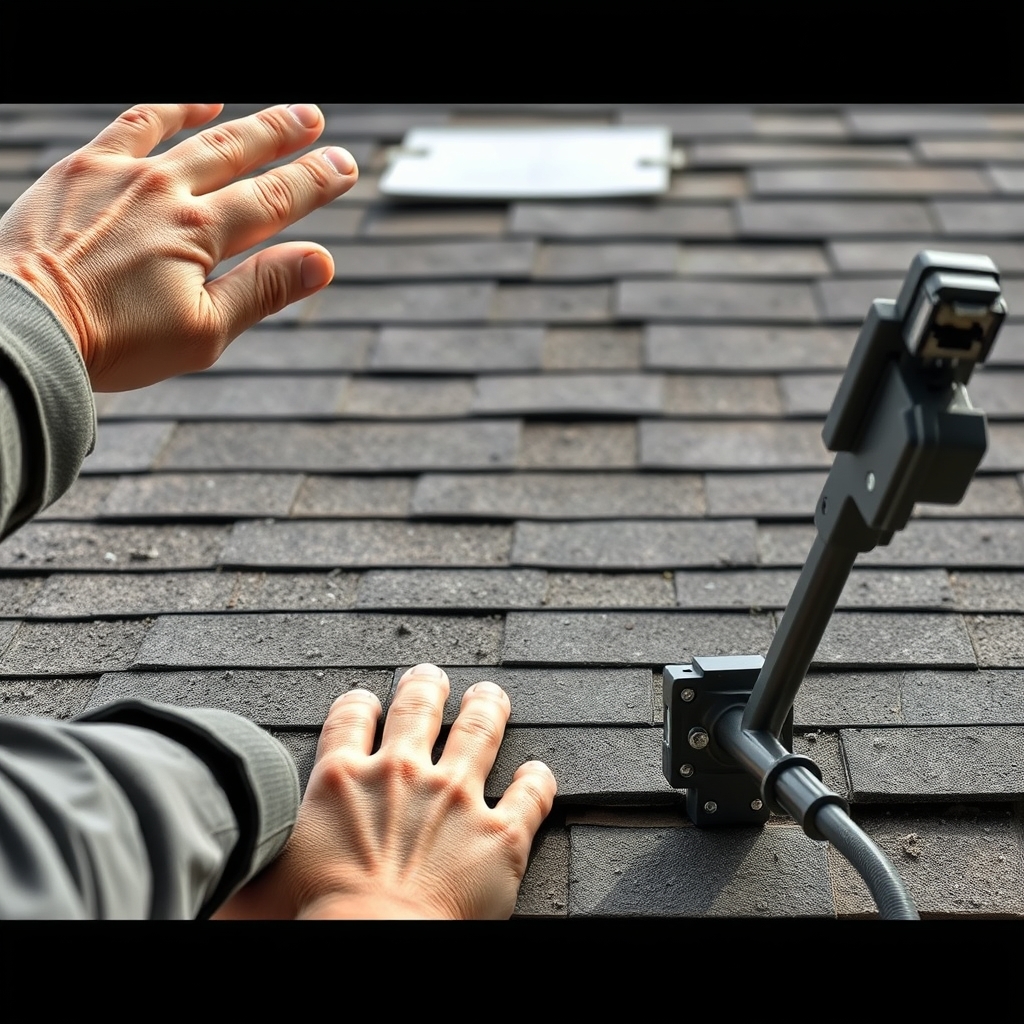
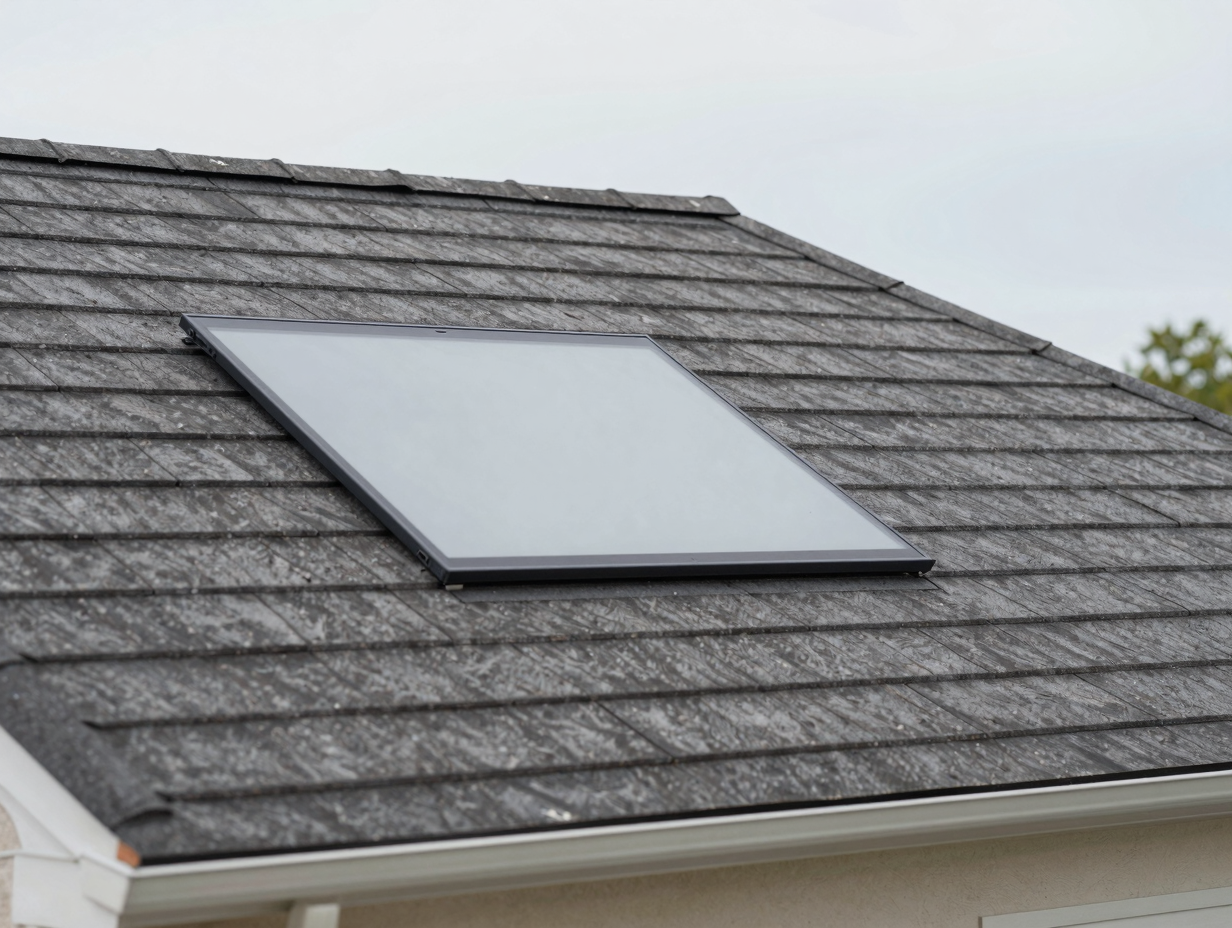
If flashing around a chimney is rusted through or counter-flashing has separated from brick mortar, a professional can often step-flash and re-seal the area. However, if valleys show rusted metal or deteriorated closed-cut shingles where water channels heaviest, leaks frequently point to widespread underlayment rot. Similarly, poor attic ventilation cooks shingles from the underside, causing premature blistering and curling that invalidates localized patch warranties.
Cost and Long-Term Financial Trade-Offs
Upfront cost naturally favors repairs, which often run a few hundred dollars compared to thousands for a full installation. Yet long-term economics tell a different story.
Continually paying for localized repairs on an aging roof creates a sunk cost trap. If you spend $800 every year patching a 22-year-old roof, you waste money that should go toward building equity in a new system. Furthermore, insurance claims for older roofs often factor in Actual Cash Value (ACV) rather than Replacement Cost Value (RCV), meaning an aging roof yields a severely reduced payout after a storm. Replacing a roof proactively before an emergency failure protects interior drywall, insulation, and electrical systems from catastrophic water intrusion.
Common Homeowner Mistakes
- Over-relying on visual inspections from the ground: Binoculars help, but minor shingle clawing, hairline cracks, and failing seal strips are visible only upon close, safe roof-edge inspection or drone photography.
- Applying roof coatings over failing decking: Elastomeric coatings extend the life of sound metal or aging asphalt roofs temporarily, but they cannot fix rotted plywood decking or compromised underlayment.
- Ignoring attic inspection: Checking your attic for daylight, damp insulation, or musty odors reveals hidden leaks long before ceiling paint bubbles.
Reader Questions
Can I put a second layer of shingles over my old roof to save money?
While installing a second layer (re-roofing) saves money on tear-off labor, it adds significant dead weight to your framing and traps heat, which shortens shingle life. Most building codes permit a maximum of two layers, but stripping down to the bare decking allows contractors to inspect for rot, replace damaged plywood, and install modern synthetic underlayment correctly.
How do I know if storm damage warrants an insurance claim or a simple repair?
If wind or hail damage is confined to a single slope and falls below your homeowner's insurance deductible, paying out of pocket for a targeted repair is usually more financially sensible than filing a claim that could raise your premiums. For widespread storm impact across multiple slopes with dented vents and missing shingles, request a licensed contractor inspection before calling your insurer.
Should I replace my roof before selling my home?
A severely worn roof acts as an immediate deterrent for buyers and often triggers failed home inspection contingencies or forced repair credits at closing. Replacing an end-of-life roof before listing provides strong curb appeal, reassures buyers, and protects your asking price.
Sources and Methodology
- SRS Distribution — 10 Signs Your Roof Needs Replacement Instead of Repairs
- Econo Roofing — Roof Repair vs Replacement Decision Guide
- GAF — Understanding Residential Roof Repairs and Replacement Indicators
- Premier Roofing — 7 Signs You Need a Roof Replacement
- Amica Insurance — 10 Signs You Need a New Roof


Comments
Post a Comment