Should Crawl Space Vents Be Open or Closed in Winter?
Key Takeaways
- For a traditional vented crawl space, closing operable vents during winter can reduce exposure to cold outdoor air, but the right choice depends on the home's design and moisture conditions.
- Closing vents is not the same as converting a crawl space into a properly managed closed system with ground moisture control.
- Open vents can bring cold, damp air into the space; closed vents can also leave moisture trapped if the ground and foundation are not addressed.
- Before changing vent positions, identify the openings, check for water or condensation, and consider pipes and appliances in the crawl space.
- Encapsulation is a long-term approach that combines sealed openings, a ground vapor barrier, insulation, and moisture management rather than relying on vent covers alone.
Table of Contents
- Should crawl space vents be open or closed in winter?
- What is the difference between a vented and a closed crawl space?
- Why can open vents cause cold floors, frozen pipes, or moisture?
- How do you decide whether to close the vents?
- What does a long-term crawl-space moisture plan include?
- What should you do in different crawl-space situations?
- Common winter vent mistakes and how to avoid them
- Frequently Asked Questions
- Key points to remember
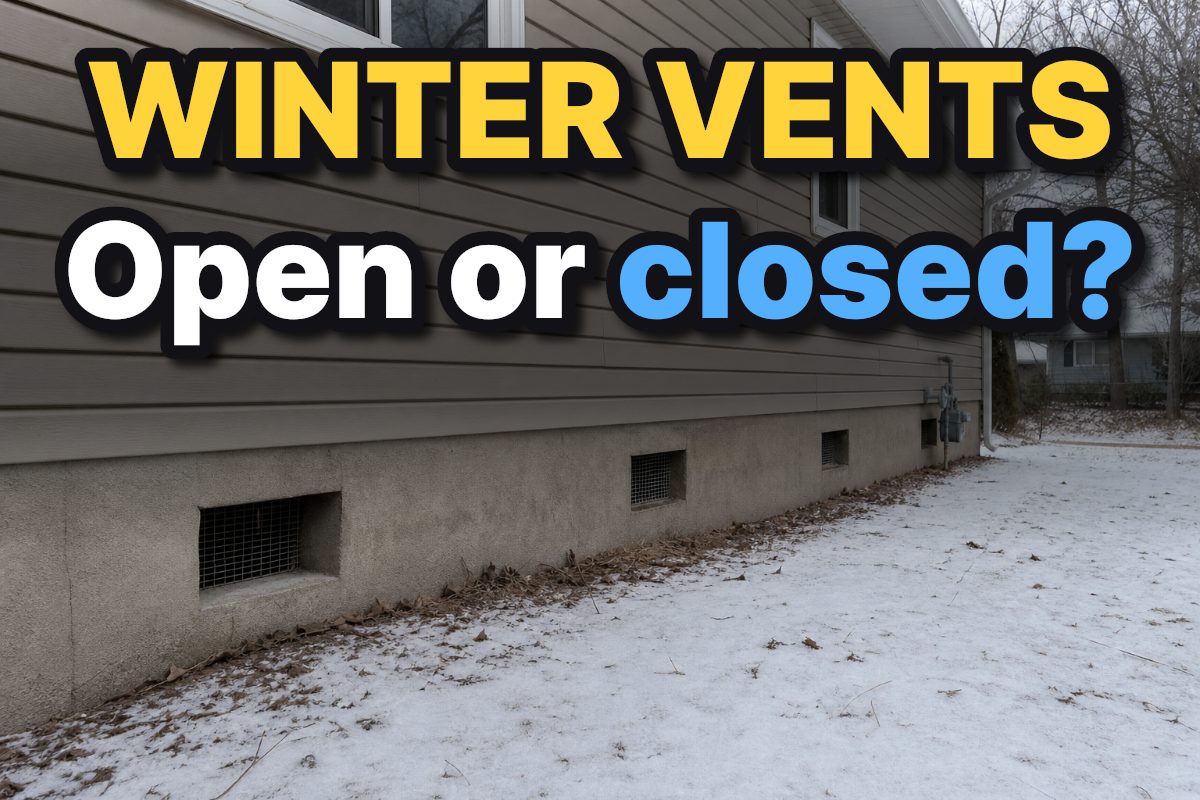
Should crawl space vents be open or closed in winter? For a traditional vented crawl space, closing operable vents during cold weather can limit cold-air exposure, but it is not a universal rule. The decision should reflect the crawl space’s design, moisture conditions, plumbing, and any local requirements for its openings.
A seasonal vent adjustment is also different from creating an intentionally closed crawl space. Building-science guidance increasingly favors controlling ground moisture and managing humidity as a complete system, because outdoor air does not always dry a crawl space; in humid conditions, it can add moisture instead.
Should crawl space vents be open or closed in winter?
For a conventional vented crawl space, closing its operable vents in winter is a reasonable option to consider when cold air is chilling floors or reaching plumbing. It reduces direct airflow from outdoors, but closing vents by itself does not solve ground moisture, water entry, or a poorly functioning drainage system.
This Old House and The Basement Doctor describe a shift away from the assumption that foundation vents always keep a crawl space dry. In humid weather, outdoor air can carry moisture into the space. If that air contacts cold framing, pipes, or foundation surfaces, water can condense instead of evaporating.
The practical answer is to distinguish three situations: an ordinary vented crawl space, a vented space with vents temporarily closed, and a crawl space deliberately converted to a closed system. Each has a different moisture-control approach. A vent cover may reduce airflow, but it does not create the same conditions as a complete encapsulation system.
If the home has a documented design or a previous crawl-space project, use those records to establish what the vents are intended to do before changing them. If you are preparing the rest of the space for cold weather, the checklist in How to Winterize a Crawl Space Before Freezing Weather can help you check other winter-sensitive areas as well.
What is the difference between a vented and a closed crawl space?
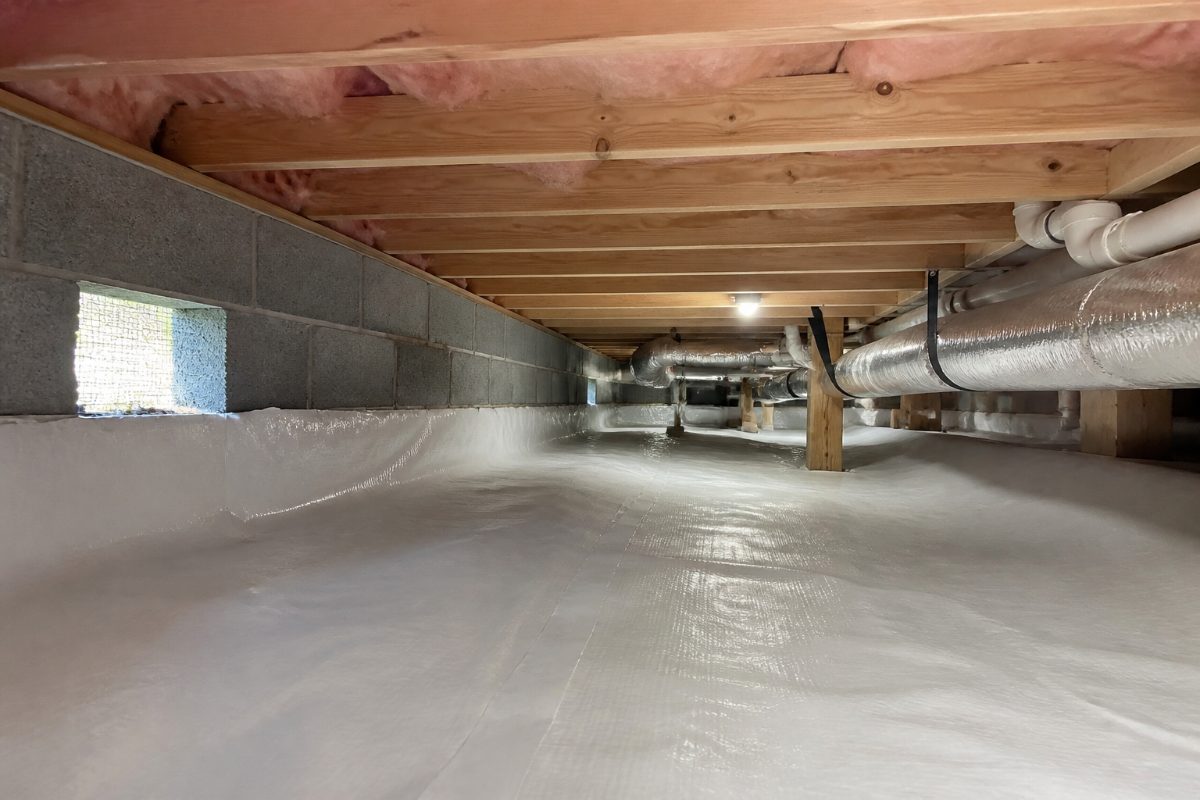
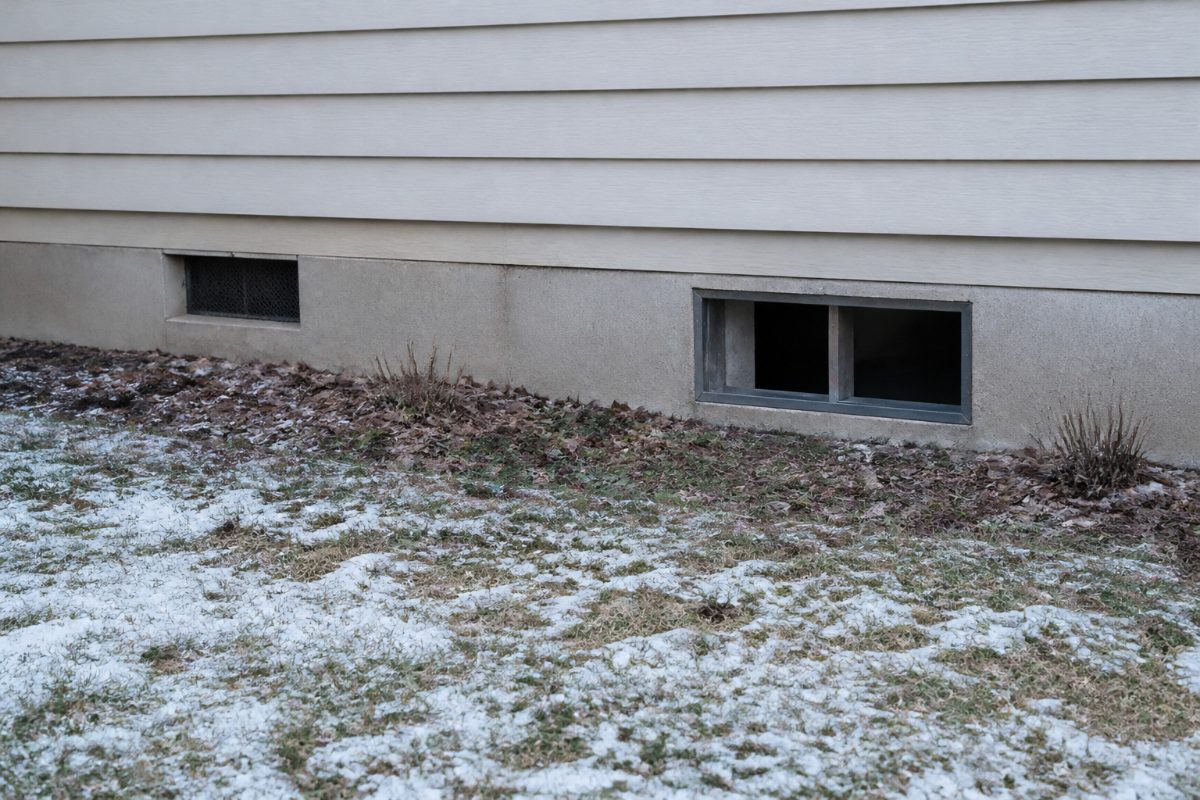
A vented crawl space has openings in the foundation that connect the area beneath the home to outdoor air. An intentionally closed crawl space is a planned system in which openings are sealed and moisture is controlled through measures such as a ground vapor barrier and, where needed, a crawl-space dehumidifier.
The distinction matters because simply shutting a vent changes airflow without stopping moisture from the soil. HowStuffWorks and Crawl Space Ninja warn that closing vents without controlling ground moisture can leave damp air trapped inside, contributing to condensation and fungal growth. Conversely, open vents can introduce humid outdoor air, especially when the outside air is warm or damp and the crawl-space surfaces are cool.
| Feature | Traditional vented space | Intentionally closed space |
|---|---|---|
| Basic arrangement | Foundation vents allow outdoor air to enter and leave. | Open vents are sealed as part of a planned moisture-control approach. |
| Winter consideration | Closing operable vents may limit cold-air exposure, but does not address every moisture source. | Keep the components of the closed system working instead of treating the space as a seasonal venting setup. |
| Ground moisture | Vents do not prevent water vapor from rising from exposed soil. | A vapor barrier covers the ground and may extend up foundation walls. |
| Humidity management | Outdoor airflow may add or remove moisture depending on conditions. | A crawl-space dehumidifier may be used to manage humidity, with maintenance required. |
| What a vent cover does | Reduces airflow through an opening. | It is only one part of sealing; it does not install a ground barrier or control humidity. |
Encapsulation is the term commonly used for a more complete closed-crawl-space approach. The Basement Doctor and Dr. Lee’s Crawlspace Repair describe measures such as sealing vents, installing a vapor barrier over the ground and up walls, insulating foundation walls, and using a crawl-space dehumidifier when appropriate. The right combination depends on the home and its conditions; a row of covers alone is not encapsulation.
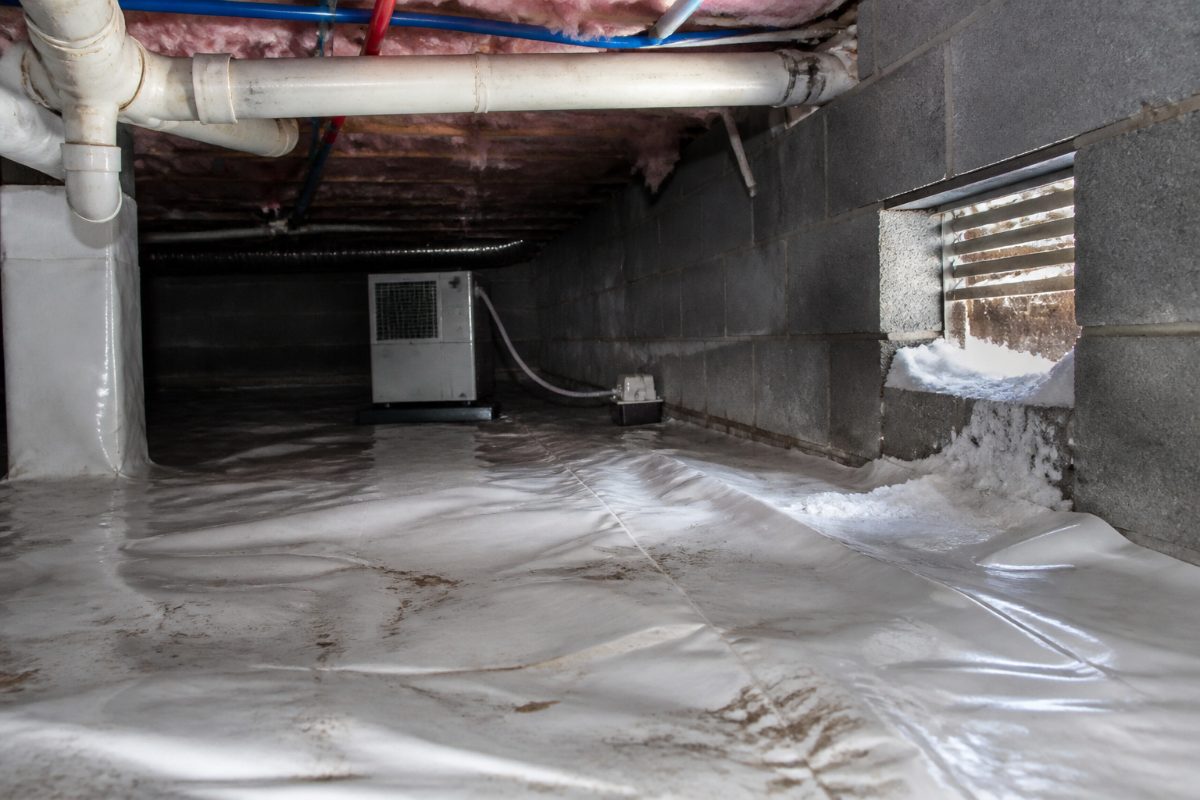
A dehumidifier is not a set-and-forget substitute for checking the space. Advanced Energy’s guidance, cited in the current crawl-space discussion, notes that equipment needs maintenance and that condensate drainage should be checked. When a system depends on powered equipment, make sure it is operating after a power interruption rather than assuming it restarted normally.
Why can open vents cause cold floors, frozen pipes, or moisture?
Open vents allow outdoor air to move through the crawl space. In winter, that air can cool the space and expose plumbing or appliances below the home to colder conditions. CNT Foundations and AquaGuard identify pipe freezing as a concern when cold air reaches crawl-space plumbing.
Cold floors are another possible result. Stego Industries describes open vents as a contributor to cold floors and winter energy inefficiency. When the area beneath the floor is cold, heat can move from the living space through the floor assembly, and the heating system may need to work harder to maintain indoor comfort.
Air movement can also connect crawl-space conditions to the rooms above. The stack effect is the movement that occurs as warm indoor air rises and escapes through higher parts of a house, drawing replacement air into lower areas. If there are gaps around plumbing, wiring, or floor edges, cold or damp crawl-space air can be pulled upward and contribute to drafts or cold-feeling floors.
Moisture depends on temperature as well as the amount of water vapor in the air. When damp air meets a surface colder than its dew point, the water vapor changes into liquid water. The Crawl Crew describes this condensation risk in wet winter conditions: humid outdoor air can enter through vents and condense on colder framing or other surfaces.
This is why “more ventilation always dries the crawl space” is an unreliable rule. The Basement Doctor and AquaGuard explain that outdoor air can be more humid than crawl-space air in some conditions. Ventilation may help in one situation and add moisture in another, so check for dampness and consider the local climate rather than assuming the vents are automatically drying the space.
Winter condensation is not limited to one region, and moisture can also come from exposed soil, plumbing leaks, drainage problems, or water entering around the foundation. If there is standing water or a recurring damp area, identify and address that source instead of treating vent position as the entire solution.
How do you decide whether to close the vents?
Start by identifying the crawl space’s setup and checking its condition. The steps below separate a routine seasonal adjustment from a larger moisture or construction issue.
- Identify each opening. Note which foundation openings are ordinary crawl-space vents and whether any have already been covered. Check inspection reports or project records for information about the intended design.
- Look for moisture before changing anything. Check for standing water, damp soil, condensation, wet insulation, or visibly damp framing. Note where the signs appear and whether they are near plumbing, a vent, or a foundation wall.
- Check cold-sensitive items. Locate exposed water pipes and appliances in the crawl space. Cold airflow can affect them, and CNT Foundations and AquaGuard identify freezing pipes as a winter risk.
- Consider the outdoor conditions. In a dry, cold period, ventilation may behave differently than it does during a wet or humid period. The Crawl Crew specifically describes condensation concerns in damp winter conditions, so temperature alone is not enough to judge whether outside air will dry the space.
- Find out whether the space is already managed as a closed system. Look for a ground vapor barrier, sealed openings, foundation-wall insulation, or a dehumidifier. If those measures are present, find out how the system is meant to manage moisture before opening or closing vents.
- Check for special opening requirements. Do not cover an opening if the home’s plans or local requirements identify it as serving a separate purpose. If you cannot identify an opening, check the property records or ask the local building department what requirements apply.
- Make one change at a time and recheck. After a seasonal adjustment, look again for condensation or other signs of moisture and confirm that any moisture-control equipment is running. A follow-up check helps show whether conditions improved or a separate source remains.
For a traditional vented space with no known moisture issue, seasonal closure of operable vents is a common winter approach. For a damp crawl space, or one with exposed soil and no ground barrier, sealing vents without addressing the moisture source can make the problem harder to manage.
Do not use hardware-store vent covers as a complete moisture solution. AquaGuard notes that covers reduce airflow but do not stop moisture migration from the soil. If the goal is long-term humidity control, the solution needs to address the ground, foundation, drainage, and any equipment used to manage moisture.
What does a long-term crawl-space moisture plan include?
A long-term plan focuses on controlling moisture at its source, then managing the remaining humidity. In the encapsulation approach described by Dr. Lee’s Crawlspace Repair and AquaGuard, the work includes sealing vents, placing a vapor barrier across the ground and extending it up the foundation walls, insulating the foundation walls, and using a crawl-space dehumidifier when needed.
The order matters. A vapor barrier limits water vapor moving from exposed soil into the crawl space, while sealing vents reduces uncontrolled outdoor air entry. Foundation-wall insulation changes where the thermal boundary sits; a dehumidifier helps manage humidity that remains. These measures work as a system rather than as interchangeable fixes.
- Control bulk water first. Look for standing water, wet areas, or signs that rainwater is reaching the crawl space. A vapor barrier and dehumidifier do not substitute for correcting water entry or drainage concerns.
- Cover exposed soil. Use a vapor barrier intended for crawl-space conditions and cover the ground. The encapsulation approach described in the research extends the barrier up foundation walls as well as across the floor.
- Seal the planned openings. Seal foundation vents only when the crawl space is being managed as a closed system and doing so does not conflict with the home’s design or local requirements.
- Address the foundation’s thermal boundary. Rigid foam or spray foam on foundation walls is among the insulation approaches described in the research memo. The choice should fit the space and the planned moisture-control system.
- Manage humidity and maintain equipment. A crawl-space-specific dehumidifier may be part of the plan. Check that it operates, that its condensate drain is clear, and that it has resumed operation after an outage if the model requires manual reactivation.
Encapsulation is a larger project than seasonal vent closure, so weigh the home’s current condition and the scope of work. If you are deciding between a temporary winter step and a permanent conversion, compare what each option actually controls: a cover limits airflow at the vent, while encapsulation also addresses soil vapor and humidity management.
| Option | What it changes | What it does not solve by itself |
|---|---|---|
| Close operable vents for winter | Limits direct outdoor airflow through those openings. | Does not cover exposed soil, correct water entry, or provide humidity control. |
| Install vent covers | Reduces airflow through the covered openings. | Does not make the crawl space a complete closed system. |
| Encapsulate the crawl space | Combines sealed openings with a ground barrier and a moisture-management plan. | Still requires inspection and upkeep of equipment and drainage components. |
What should you do in different crawl-space situations?
The right next step depends on what you find in the crawl space. A homeowner who has just moved in needs to identify the system first; someone who already has a sealed, managed space needs to maintain it rather than apply a generic seasonal rule.
| Your situation | Practical next step | Reason |
|---|---|---|
| You are new to the house | Review inspection or project records and identify the purpose of each opening. | You need to know whether the space is vented, intentionally closed, or subject to a separate opening requirement. |
| You have a traditional vented space and no known moisture issue | Consider closing operable vents during winter, then recheck the space for moisture. | Limiting cold airflow may help reduce cold exposure under the home. |
| Your floors feel unusually cold | Check whether vents are open, and look for gaps in the floor assembly and exposed plumbing. | Cold air can cool the crawl space, while air leakage can carry drafts into living areas. |
| You see condensation or damp framing | Record where it occurs and look for outdoor moisture, exposed soil, leaks, or water entry. | Changing vent positions alone may not address the source. |
| Your crawl space is already encapsulated | Keep the dehumidifier, drain, vapor barrier, and sealed openings in the planned condition. | A closed space relies on its moisture-control measures and equipment. |
| You are considering permanent sealing | Compare the work needed for ground coverage, wall insulation, and humidity management before buying covers. | Vent covers alone do not stop soil moisture from entering the space. |
If you are a first-time homeowner, start with identification and observation rather than buying materials immediately. If you have recurring moisture, prioritize locating the source. If the crawl space already has a dehumidifier, include its operation and drain in routine checks; Advanced Energy notes that dehumidifiers need maintenance and that some may require manual reactivation after a power outage.
Common winter vent mistakes and how to avoid them
Opening vents because the crawl space needs to “breathe.” Ventilation is not automatically drying. The Basement Doctor and AquaGuard explain that outdoor air can introduce moisture in humid conditions. Decide based on the air and surfaces involved, not on the phrase “let it breathe.”
Closing vents without controlling ground moisture. Blocking airflow can leave moisture from soil inside the space. HowStuffWorks and Crawl Space Ninja identify this as a risk when vents are closed without a vapor barrier or other moisture control. Check for exposed soil and dampness before treating vent closure as the whole fix.
Assuming vent covers equal encapsulation. Covers restrict air through openings, but they do not install a ground vapor barrier, insulate foundation walls, or manage humidity. AquaGuard describes covers as a limited measure rather than a complete control for moisture migration.
Using one seasonal rule in every climate. A wet winter can bring humid air into the crawl space, while conditions elsewhere may be drier. The Crawl Crew highlights condensation in damp winter environments, which is why local conditions and what you see in the space matter.
Ignoring a dehumidifier after a power interruption. Advanced Energy notes that some units may need manual reactivation after an outage. If the crawl space relies on powered moisture control, verify that the unit is on and inspect the condensate drain.
Changing vents without checking pipes. Plumbing and appliances in a crawl space can be exposed to cold air. CNT Foundations and AquaGuard identify freezing pipes as a potential winter problem, so include those items in the inspection before deciding what to do with the vents.
Frequently Asked Questions
Should I close crawl-space vents every winter and reopen them in summer?
Seasonal opening and closing is one approach for a traditional vented crawl space, but it is not suitable as a blanket rule for every home. In humid weather, opening vents may introduce moisture that can condense on cool surfaces, so check the crawl space’s design and condition before changing the vents.
Will closing crawl-space vents stop pipes from freezing?
Closing vents can reduce direct exposure to cold outdoor air, but it does not guarantee that pipes cannot freeze. Check the plumbing’s location and insulation, and consider the crawl space’s overall conditions rather than relying on vent position alone.
Can closing crawl-space vents cause mold?
It can contribute to a moisture problem if ground moisture is trapped and there is no vapor barrier or effective humidity management. A properly planned closed crawl space addresses ground moisture and monitors humidity instead of relying only on sealed vents.
Why are my floors cold when the crawl-space vents are open?
Open vents can allow cold air to move beneath the home and cool the floor assembly. Gaps in the floor can also let crawl-space air move into the living area, so check both vent exposure and possible air leakage.
Are vent covers enough to make a crawl space moisture-proof?
No. Covers reduce airflow through vents, but they do not stop moisture vapor rising from exposed soil or manage humidity on their own. A more complete plan may include a ground vapor barrier, foundation-wall insulation, and a crawl-space dehumidifier.
Key points to remember
For a traditional vented crawl space, closing operable vents during winter can limit cold-air exposure, but the decision depends on the space’s design and moisture conditions. Open vents can bring in damp air and contribute to condensation; closed vents can also leave ground moisture trapped if there is no vapor barrier or humidity-control plan.
Before changing vent positions, identify the openings, look for standing water or condensation, and check for exposed plumbing. A long-term closed crawl space is a planned system involving moisture control—not simply a set of vent covers. Because construction details and local requirements can differ, check the local building department’s requirements before permanently sealing an opening whose purpose is unclear.
References
- Should Crawl Space Vents Stay Open or Closed? - This Old House
- Should You Close Crawl Space Vents? Expert Advice | The Basement Doctor
- Should Crawl Space Vents Be Closed in Winter? | CNT Foundations
- Encapsulation vs Ventilated Crawl Spaces | Dr. Lee’s Crawlspace Repair
- aquaguard.net
- ifoam.com
- Moisture Problems in the Home
- Should I seal off crawl space vents or keep them open? | AdvantaClean
- Advanced Energy: Closed Crawl Spaces
Information in this post was checked as of October 2026. Policies and prices may change, so please verify important details with official sources.


Comments
Post a Comment