Is Ice on a Heat Pump Normal in Cold Weather?
Key Takeaways
- A thin, even layer of white frost on an outdoor heat pump coil can be normal in cold, damp weather.
- Steam, a brief change in sound, or a temporarily stopped outdoor fan can occur during a defrost cycle.
- A solid ice shell, ice touching the fan, or worsening heat output calls for action rather than waiting it out.
- Clear leaves and snow, check the indoor air filter, and never chip ice or pour boiling water on the unit.
Table of Contents
- Is ice on a heat pump normal in cold weather?
- How to tell normal frost from a problem
- What happens during a heat pump defrost cycle?
- When does ice mean you should call for service?
- What can you safely check yourself?
- What should you never do to melt heat pump ice?
- Why can a heat pump ice up when it is 40°F outside?
- What should first-time owners and experienced owners do?
- Frequently Asked Questions
- Key points to remember
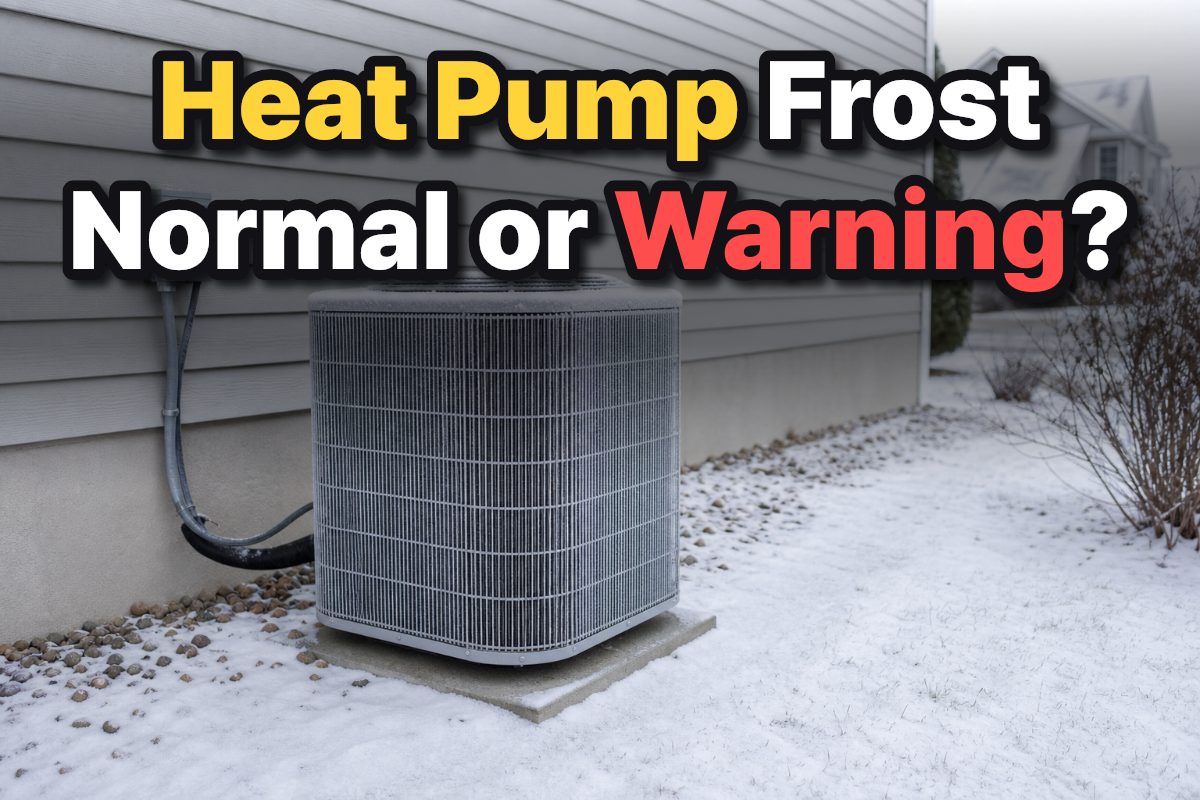
Ice on a heat pump can be normal when it appears as light frost on the outdoor coil and clears during defrost. The useful distinction is appearance and behavior: a thin coating is different from a thick shell that blocks airflow, reaches the fan, or comes with poor heating.
Is ice on a heat pump normal in cold weather?
Yes, a light, fairly even frost on the outdoor coil can be a normal result of heating in cold, damp weather. Trane explains that the outdoor coil can run about 10–20°F colder than the surrounding air, so moisture can freeze on the coil even when the outdoor temperature is above 32°F.
A heat pump draws heat from outdoor air and moves it indoors. Because its outdoor coil must be colder than the air to absorb heat, water vapor can condense on the coil and freeze when the coil surface falls below 32°F. Frost may form when outdoor temperatures drop below 40°F, but that temperature alone does not tell you whether the system has a problem.
How to tell normal frost from a problem
Start with a visual check from a safe distance. Look at where the frost is, how much of the unit it covers, whether the fan area is clear, and whether the house is still receiving warm air.
| What you see | What it can mean | What to do |
|---|---|---|
| Thin, even white frost on the coil | Often normal during cold, damp conditions. | Observe whether it clears during defrost. |
| Frost or ice mainly near the unit’s bottom | Water may be collecting and freezing there. | Check that the unit’s base and surrounding area are not obstructed. |
| Steam-like vapor, a whoosh, or a fan that briefly stops | These can be signs of a defrost cycle. | Give the cycle time to finish and check whether heating resumes. |
| A thick ice shell, ice over the cabinet, or ice touching the fan | Ice may be restricting airflow or interfering with moving parts. | Stop treating it as ordinary frost and arrange professional service. |
| Little heat indoors while the system runs | The ice or another system issue may be affecting performance. | Check the filter and outdoor airflow; seek service if the problem continues. |
Atlas Heating identifies a solid ice buildup around the coil or cabinet as a warning sign, while Trane describes steam and temporary operating changes as possible defrost-cycle signs. The key is not simply whether ice is present, but whether it remains light and the equipment returns to normal heating.
What happens during a heat pump defrost cycle?
A defrost cycle melts frost before it builds up enough to restrict airflow. The system briefly redirects hot refrigerant to the outdoor coil; this temporarily changes how the heat pump operates while it clears ice.
During defrost, you may notice a whooshing or swishing sound, water vapor rising from the unit, or the outdoor fan slowing or stopping briefly. The thermostat may display “AUX” or “AUX Heat” while backup electric heat helps maintain indoor temperature. These signs can look unusual, but they are not by themselves proof of a breakdown.
Steam from the outdoor unit during this process is generally water vapor from melting frost, not evidence of a refrigerant leak. Watch for the overall pattern: frost should be reduced after defrost, and the system should return to heating rather than remain encased in ice.
When does ice mean you should call for service?
Arrange professional service when the ice forms a solid shell, blocks or touches the fan, or keeps the system from heating the home properly. A heat pump frozen solid should not be left running as if nothing is wrong; severe ice can strain the equipment.
Also take persistent or recurring buildup seriously. If an ordinary frost layer repeatedly returns without clearing, or the unit remains heavily iced after a defrost attempt, the system may have an airflow or mechanical problem. Trane’s troubleshooting guidance and Atlas Heating’s winter advice both distinguish normal frost from substantial ice buildup that warrants further attention.
- Fan area blocked: Do not reach into the unit or try to move the fan. Ice contacting the blades can cause damage.
- Weak or cold air at the vents: Check the filter and visible outdoor obstructions, then pay attention to whether heating recovers.
- Ice over the coil or cabinet: Avoid repeated operation if the unit is heavily encased; arrange a technician’s assessment.
- Repeated icing after melting: A recurring pattern is more concerning than a temporary light frost layer.
What can you safely check yourself?
Homeowners can check basic airflow conditions without opening the equipment. Carrier recommends keeping at least 24 inches of clear space around the outdoor unit so air can move freely.
- Look at the indoor air filter. If it is visibly dirty, clean or replace it according to the filter and system instructions. Restricted indoor airflow can contribute to operating problems.
- Clear outdoor debris. Remove loose leaves, snow, and other obstructions around the unit while keeping the recommended 24 inches of clearance. Do not pry ice off the coil.
- Check what the thermostat shows. Note whether it displays “AUX” or “AUX Heat” and whether the home is warming as expected. This gives a useful symptom record if service is needed.
- For excessive ice, turn the system off at the thermostat. Let the ice melt naturally rather than trying to speed up thawing with tools or heat.
- Observe what happens afterward. Note whether the ice clears, whether the fan area is open, and whether warm air returns. A quick return of heavy ice is a reason to seek service.
These checks address visible airflow restrictions, but they cannot confirm a refrigerant leak, failed sensor, or defrost-control fault. Those problems require diagnosis with the appropriate HVAC tools.
What should you never do to melt heat pump ice?
Do not chip ice with a screwdriver, knife, or other sharp tool. The coil has delicate fins and refrigerant tubing; puncturing or bending parts can turn an ice problem into equipment damage.
Do not use a heat gun, hair dryer, or boiling water to force a thaw. Intense or uneven heat can damage the coil and its fins. The safer response to excessive ice is to switch the system off at the thermostat and allow it to thaw naturally, keeping hands and tools away from the fan and coil.
Why can a heat pump ice up when it is 40°F outside?
Outdoor air temperature is not the same as coil temperature. Trane explains that a heat pump’s outdoor coil can be 10–20°F colder than the surrounding air, so a 40°F outdoor reading can coincide with a coil temperature around 20–30°F.
That colder surface can freeze moisture on the coil. A small amount of frost at 40°F is therefore not automatically a fault; the more useful checks are whether the frost is light, whether the defrost cycle clears it, and whether the home continues to receive heat.
What should first-time owners and experienced owners do?
If you are new to heat pumps, do not treat every white coating as an emergency. Compare what you see with the simple signs above: thin frost and a brief defrost cycle are different from a solid shell or a blocked fan.
If you already monitor your system, focus on changes from its usual pattern. Keep a short note of when heavy icing appears, what the thermostat displays, whether the fan stops briefly, and whether indoor heat returns. This record can help a technician distinguish a normal defrost event from recurring icing or a performance issue.
| Your situation | Practical next step |
|---|---|
| Light frost; home heats normally | Observe the unit and keep the surrounding area clear. |
| Frost plus visible leaves, snow, or a dirty filter | Correct the accessible airflow restriction and monitor operation. |
| Thick ice, blocked fan, or weak heat | Turn the system off if the ice is excessive and arrange professional service. |
| Ice clears, then quickly returns heavily | Record the pattern and request a system diagnosis. |
Frequently Asked Questions
Is steam coming off my heat pump a sign of a leak?
Not necessarily. Water vapor can rise as a normal defrost cycle melts frost from the outdoor coil. Look for whether the ice clears and normal heating resumes, rather than judging by vapor alone.
Can I pour hot water on a frozen heat pump?
No. Avoid boiling water, heat guns, and sharp tools because they can damage the coil or its fins. Turn the system off at the thermostat if ice is excessive and let it thaw naturally.
Should a heat pump fan stop during defrost?
The outdoor fan may slow down or stop temporarily during defrost. If it remains blocked by ice or the system does not return to normal heating, arrange service rather than trying to clear the fan by hand.
Does frost mean my heat pump is broken?
No. A thin layer of frost can form during normal heating in cold, damp weather. A thick ice shell, ice touching the fan, or poor heating is a more concerning combination.
Key points to remember
Light, temporary frost on an outdoor heat pump coil can be normal, including when the outdoor temperature is above freezing. Steam, a brief whoosh, and a temporarily stopped fan can accompany defrost. Treat solid ice, blocked airflow, repeated heavy icing, or poor indoor heat as warning signs; avoid tools and forced heating, and arrange professional service when those problems persist.
Heat pump behavior and control features differ by system. For service procedures or equipment-specific settings, use the manufacturer’s guidance; the visual checks here are intended to help you decide whether the unit appears to be defrosting normally or needs attention.
References
- What Is a Heat Pump Defrost Cycle? | American Standard®
- Heat Pump Troubleshooting Guide | Common Heat Pump Problems & Fixes
- What Is the Heat Pump Defrost Cycle? - Trane®
- Heat Pump Frozen in Winter? What to Do Safely
- Heat Pump Troubleshooting: Diagnosing Common Issues - Trane®
Information in this post was checked as of 2026-09-27. Policies and prices may change, so please verify important details with official sources.


Comments
Post a Comment