How to Test and Replace Faulty Smoke Detector Batteries and Units
Published: March 2026

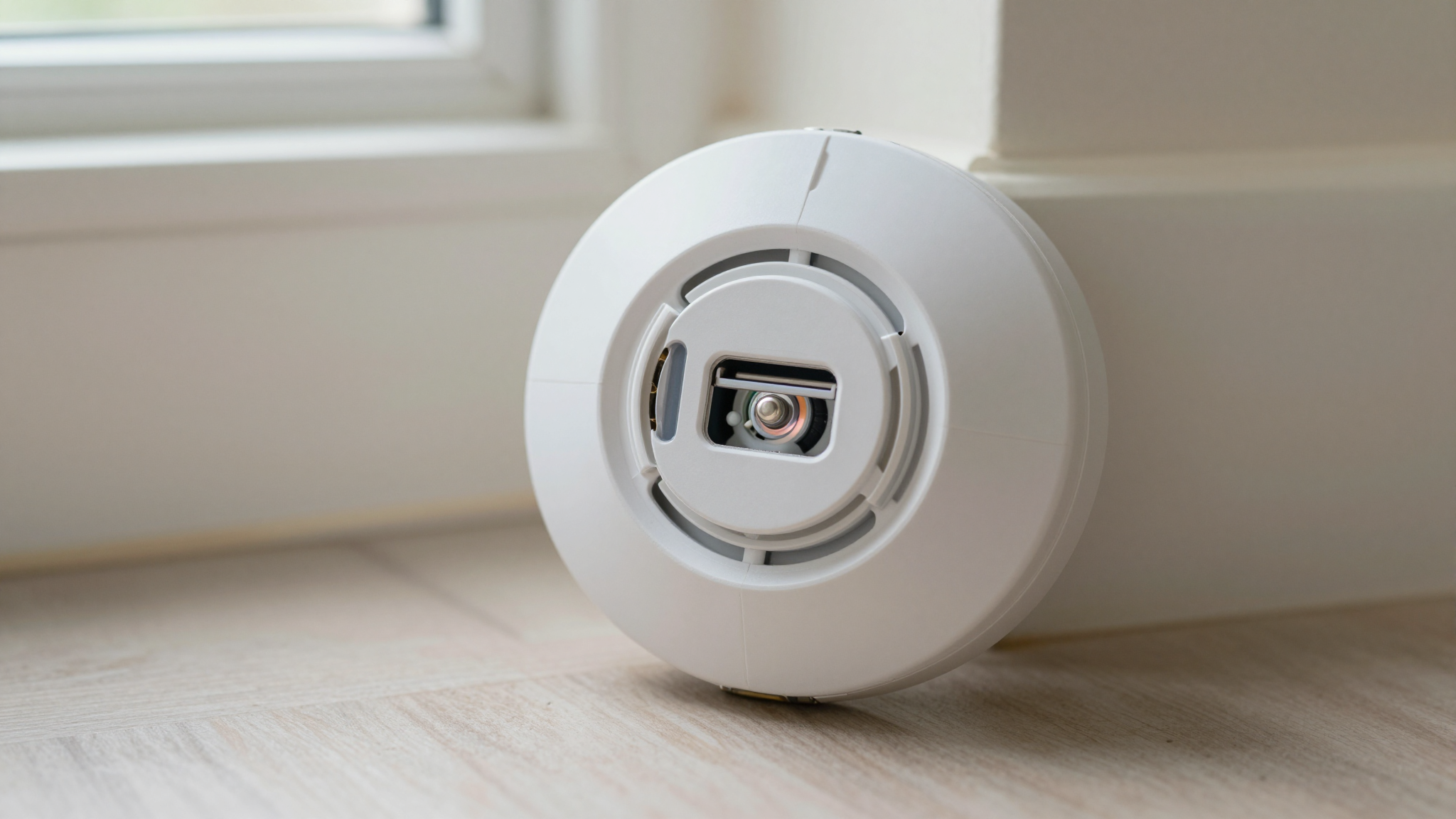
If your smoke detector is chirping intermittently or failing to respond to a manual test, it requires immediate troubleshooting. Most issues stem from a depleted 9-volt or lithium battery, dust accumulation inside the sensor chamber, or a unit that has exceeded its 10-year lifespan.
Quick Summary: What to Do First
When a smoke detector acts up, start by pressing and holding the test button for 3 to 5 seconds. If the alarm sounds loudly, the sensor and battery are operational. If it remains silent, chirps every 30 to 60 seconds, or sounds weak, proceed immediately to battery replacement. If a fresh battery does not stop the chirping, the entire unit must be replaced.
How to Properly Test Smoke Detectors
NFPA (National Fire Protection Association) guidelines recommend testing smoke alarms at least once a month. Standard testing involves manual button checks and occasional aerosol smoke tests to verify sensor responsiveness.
- Manual Button Test: Press and hold the test button on the front cover. You should hear a loud, piercing alarm within a few seconds. Release the button, and the alarm should stop.
- Aerosol Smoke Spray Test: For a comprehensive check of the sensor chamber, use a can of canned compressed air or UL-listed canned smoke spray held about two feet away. Avoid using real candle smoke, as soot can contaminate the sensor.
- Test alarms monthly using the test button and replace batteries at least once a year unless using sealed 10-year lithium models.
- A single chirp every minute usually indicates a low battery, while constant random chirping after battery replacement points to a dirty or expired unit.
- All smoke detectors must be replaced entirely every 10 years regardless of apparent condition.
Step-by-Step Battery Replacement
If your alarm uses removable batteries (standard 9V or AA/AAA alkaline), replacing them takes only a few minutes. Follow these practical steps to ensure safe maintenance:

- Remove the unit: Twist the detector counterclockwise to release it from the ceiling mounting bracket. Disconnect the wire harness plug if it is hardwired into your home's electrical grid.
- Open the battery compartment: Slide open the back door or hatch. Remove the old battery.
- Clear residual power: Press and hold the unit's test button for 10 to 15 seconds while the battery is removed. This discharges any remaining electrical charge that can cause false low-battery chirps.
- Install the new battery: Insert a fresh alkaline or lithium battery, ensuring correct positive and negative alignment (+/-).
- Reattach and test: Snap the cover shut, twist the unit back onto its ceiling mount, and press the test button until the alarm sounds.
When to Replace the Entire Unit
Smoke detectors do not last forever. Sensors degrade over time due to airborne dust, humidity, and microscopic component wear.
- 10-Year Expiration: Check the manufacture date printed on the back label. If the unit is more than 10 years old, replace the entire device immediately.
- Persistent Chirping: If you replaced the battery with a brand new one and cleared residual power, but the unit continues to chirp, the internal sensor has failed.
- Physical Damage or Heavy Insect Infestation: Units with cracked housing, yellow discoloration from age, or trapped insects inside the sensing chamber must be swapped out for a new model.
Common Maintenance Mistakes to Avoid
Homeowners often repeat specific errors when servicing smoke alarms:
- Ignoring the manufacture date: Assuming a hardwired detector lasts indefinitely without checking its installation age.
- Using rechargeable batteries: Rechargeable batteries discharge too quickly and can cause erratic low-voltage warnings; stick to standard high-durability alkaline or manufacturer-specified lithium cells.
- Neglecting cleaning: Dust and spider webs block entry ports; vacuum the exterior grill gently with a soft brush attachment every six months.
Reader Questions
Why does my smoke detector chirp right after I put in a new battery?
This is usually caused by residual electrical charge stored in the unit's capacitor. To fix this, remove the new battery, press and hold the test button for 15 seconds to drain the charge, and then reinsert the battery. Another common cause is using a non-compliant battery type.
How often should smoke detector batteries be changed?
For standard models with replaceable batteries, change them at least once a year. A common practice is tying this chore to daylight saving time changes. Sealed 10-year battery models do not require battery replacements during their lifespan.
Can I use any brand of battery in my smoke detector?
No. Always check the manufacturer label inside the battery compartment or user manual. Most brands specify exact approved battery models (such as Duracell, Energizer, or Panasonic) to ensure compliance with safety testing certifications.


Comments
Post a Comment