Optimal HVAC Service Frequency: When and Why to Schedule Maintenance

Answer: For most homes, schedule professional HVAC tune‑ups twice a year – once before the heating season and once before the cooling season – and replace or clean air filters monthly. Adjust the schedule if your system is older, lives in a harsh climate, or shows warning signs.
Recommended Service Frequency
Two pre‑season professional inspections give you the best balance of performance, energy savings, and equipment lifespan. The first visit (spring) prepares the cooling system for summer; the second (fall) readies the furnace or heat pump for winter.
Why Twice a Year?
During a tune‑up a technician cleans coils, checks refrigerant levels, calibrates thermostats, inspects the blower motor, and evaluates the heat exchanger. These tasks keep the system operating at peak efficiency, which can lower energy bills by 5‑15% and catch small problems before they become costly repairs.1
When More Frequent Service Makes Sense
- Harsh climates: Areas with extreme heat, cold, or high humidity accelerate wear. Add a mid‑season check if you notice reduced airflow or unusual noises.
- Older equipment: Units older than 10‑15 years often need extra attention, especially if they use phased‑out refrigerants.
- Heavy usage: Homes that run HVAC continuously (e.g., home offices, large families) benefit from a third service in the middle of each season.
What You Can Do Between Professional Visits
Monthly filter maintenance is the single most effective DIY task. Replace disposable filters or clean reusable ones according to the manufacturer’s recommendation – typically every 30‑90 days during heavy‑use months.3 Also:
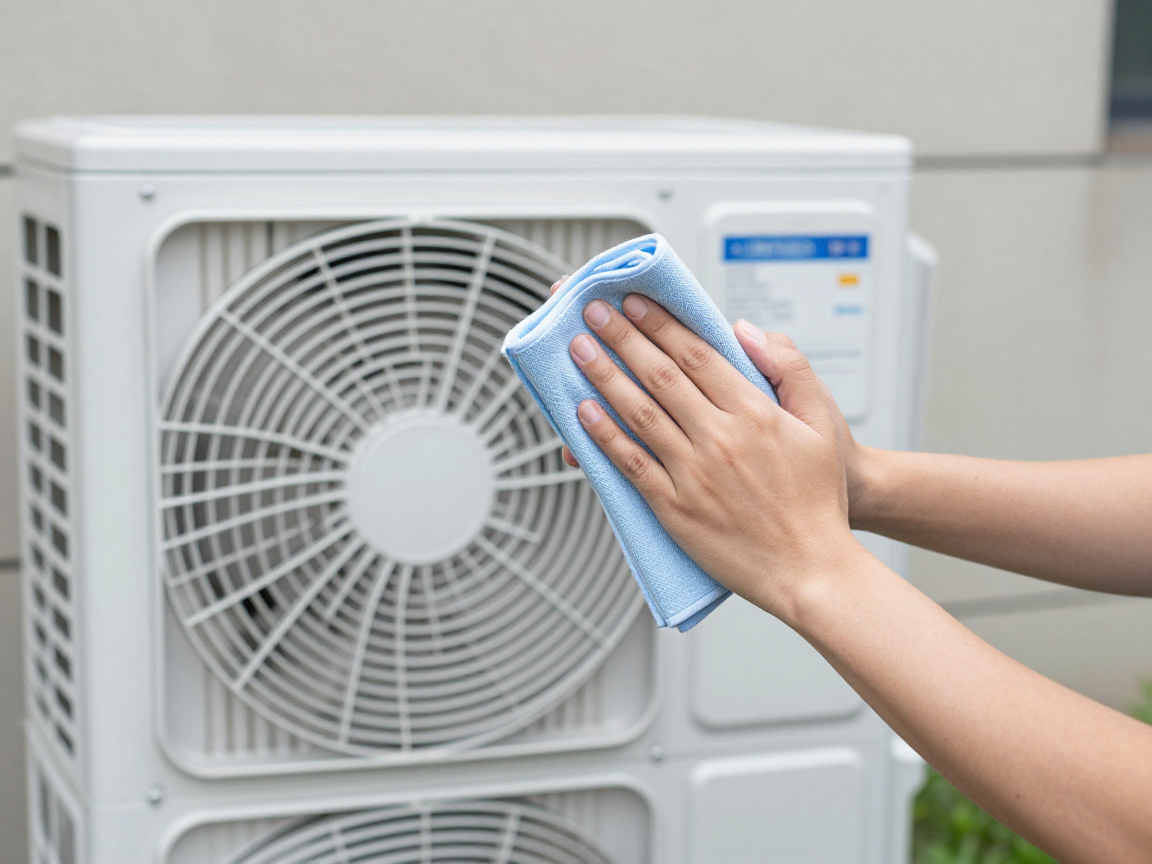
- Visually inspect outdoor units for debris, leaves, or animal nests.
- Listen for rattling or grinding sounds that may indicate loose components.
- Check thermostat accuracy by comparing room temperature to a calibrated thermometer.
Choosing a Service Plan
When comparing plans, look for these inclusions:
| Feature | Typical Inclusion |
|---|---|
| Number of visits | 2 (spring & fall) |
| Filter replacement | Often included or discounted |
| Refrigerant check | Standard |
| Priority scheduling | Yes (often a selling point) |
| Labor discount on repairs | 5‑15% off labor rates |
Compare the total annual cost (service fees + any included filter discounts) against the potential savings from reduced energy use and avoided emergency repairs.
Red Flags That Require Immediate Service
- Strange odors (burning, mold, refrigerant leaks)
- Frequent short‑cycling (system turns on and off quickly)
- Water pooling around the indoor unit
- Visible ice on the outdoor coil
- Unusual high electricity spikes when the system runs
If any of these appear, call a qualified HVAC technician right away; postponing can cause safety hazards or void warranties.
DIY Checks vs. Professional Service
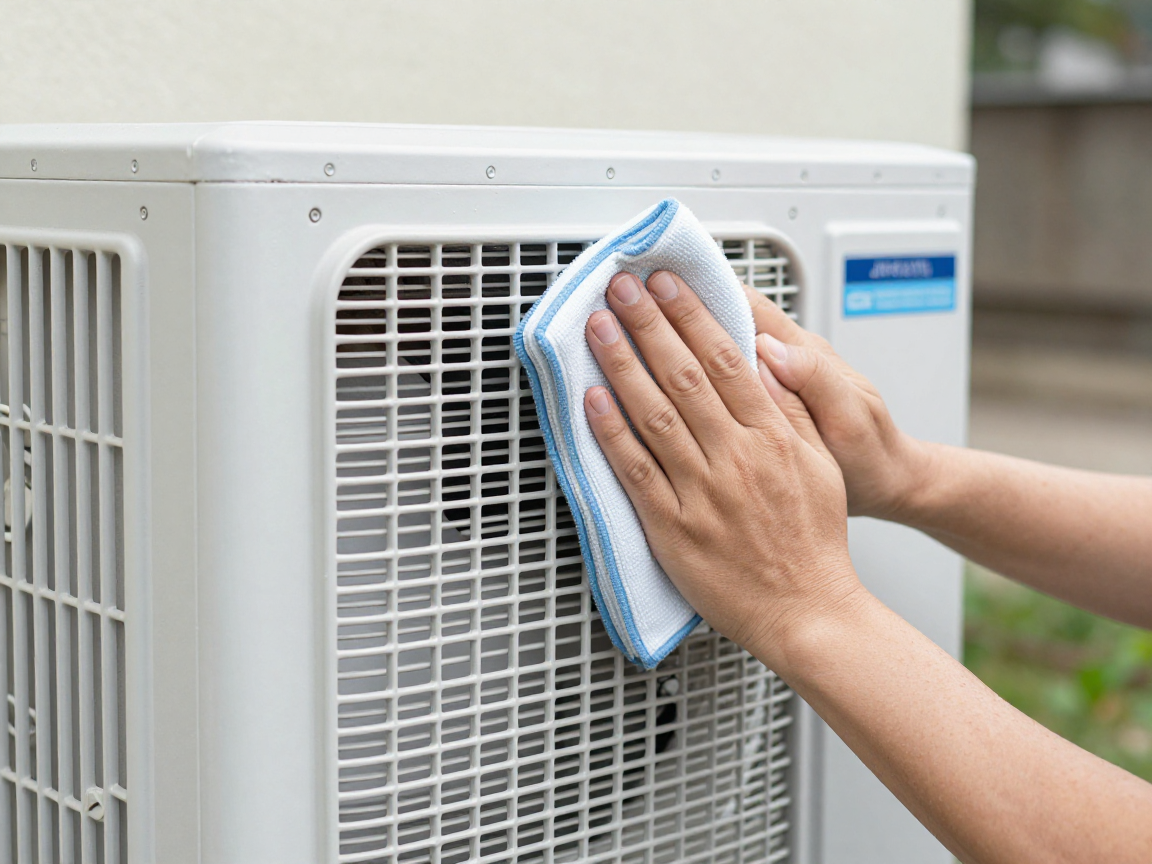
DIY tasks (filter changes, visual inspections, thermostat calibration) are safe for most homeowners. Anything involving refrigerant, electrical components, or internal coil cleaning should be left to licensed professionals.
Common Mistakes to Avoid
- Skipping the spring check: The cooling system often runs longer than the heating system, so early detection of coil fouling saves energy.
- Using the wrong filter size: An ill‑fitting filter reduces airflow and can damage the blower.
- Delaying repairs: Small leaks or motor wear become expensive failures if ignored.
- Relying on “annual” only: One visit per year is insufficient for most climates; at least two seasonal visits are the industry norm.
Example Scenario
Jane lives in a hot, humid Southern city with a 12‑year‑old split‑system AC. She follows the twice‑a‑year schedule, but after three hot summers she notices a gradual rise in her electricity bill (about 12% higher). During her mid‑summer check‑up, the technician discovers a clogged condenser coil and low refrigerant pressure caused by a tiny leak. The repair (coil cleaning + refrigerant recharge) costs $250 and restores her system’s efficiency, bringing the bill back to normal. Without that mid‑season service, Jane would have faced a $1,200 replacement in two years.
FAQ
Do I need a service contract?
Contracts can lock in price, guarantee priority service, and often include filter discounts. However, you can pay per visit if you prefer flexibility. Compare the annual cost of a contract against the average $150‑$200 per visit plus filter expenses.
Can I service the system myself?
Basic tasks like filter changes and clearing debris are safe DIY. Anything involving refrigerant, electrical wiring, or internal coil cleaning requires a licensed technician to meet safety codes and warranty requirements.
How long does a professional tune‑up take?
Typically 1‑2 hours per visit, depending on system complexity.
Is there a penalty for missing a seasonal visit?
Missing a visit doesn’t incur a penalty, but it may void warranty clauses that require regular maintenance. Check your manufacturer’s warranty terms.


Comments
Post a Comment