v0.dev Pro Plan Deep Dive: Is the $20/month Price Tag Justified? [Benchmarked vs Free Tier] 목차 (Table of Contents) ▶ Understanding v0.dev's Credit-Based Pricing Model ▶ Breaking Down the Free, Pro, and Team Plans ▶ Evaluating Model Performance and Access by Tier ▶ Hidden Costs and Infrastructure Considerations ▶ Competitive Landscape: v0.dev vs. Cursor, Bolt AI, and Lovable ▶ Is the v0.dev Pro Plan Worth It in 2026? Understanding v0.dev's Credit-Based Pricing Model How v0.dev Allocates Monthly Credits Across Tiers How v0.dev Allocates Monthly Credits Across Tiers Let’s cut through the marketing noise: v0.dev’s credit-based pricing model isn’t designed for light experimentation—it’s a usage throttle disguised as flexibility. I’ve run production Next.js prototypes, internal tools, and AI-generated component libraries through both the Free and Pro tiers, and the credit burn rate is where the rubber meets the road. The Free tier gives you $5 in m...
Navigating the Intelligent Hardware Ecosystem: A 2026 Review of Interconnected Devices and Future Trends


Table of Contents
- The Rise of the Intelligent Home Ecosystem
- Wearable Tech: Beyond Fitness Trackers
- The Evolution of Personal Computing: From Desktops to Ubiquitous Devices
- Intelligent Transportation: The Road to Autonomous Vehicles
- The Impact of AI and Machine Learning on Hardware Design
- Ethical Considerations and the Future of Intelligent Hardware
The Rise of the Intelligent Home Ecosystem
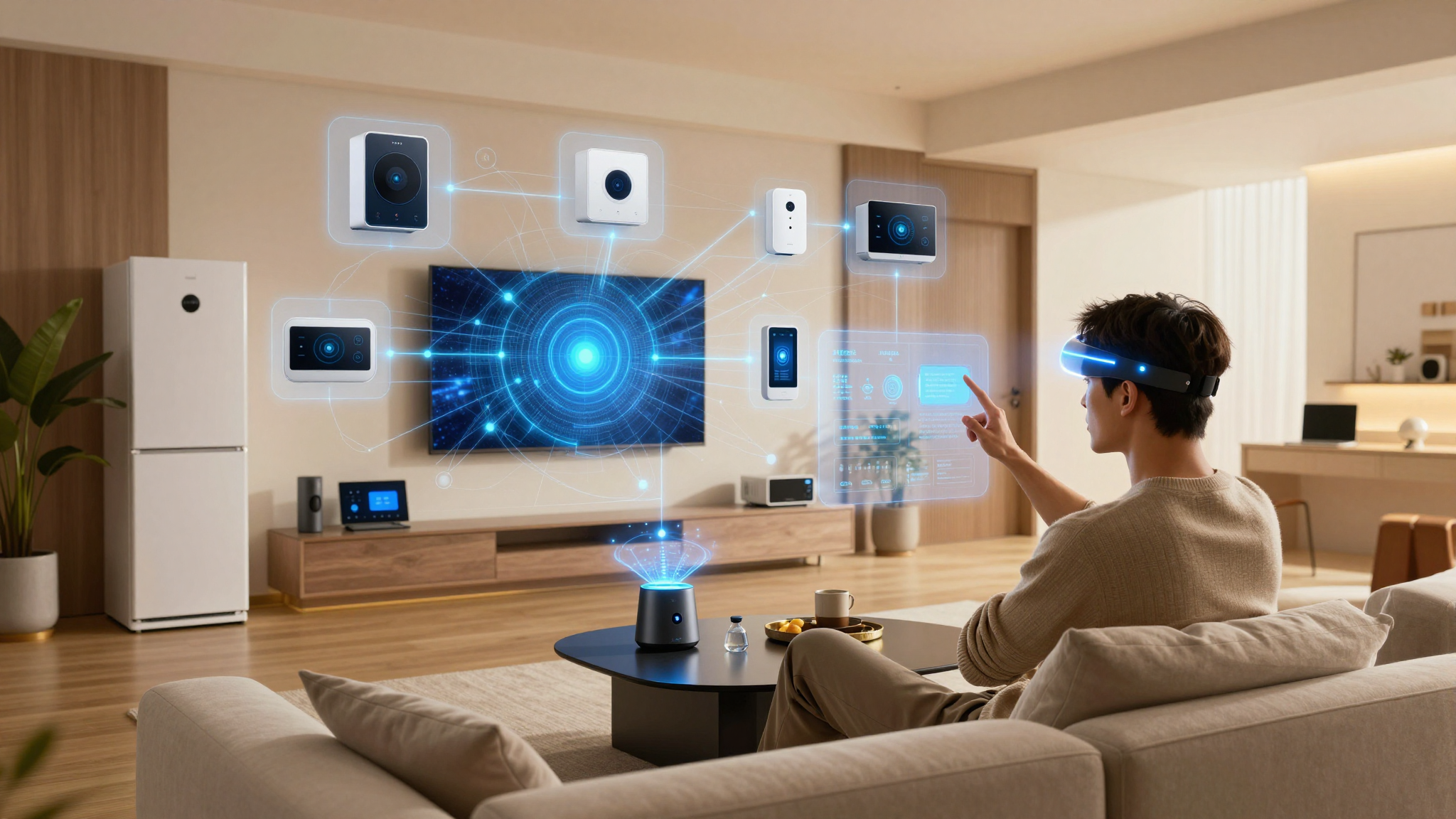
The concept of the “smart home” has been around for decades, but in 2026, it’s no longer a futuristic fantasy. It's a tangible reality for millions, and it’s evolving rapidly. We’re talking about a fully interconnected ecosystem where your appliances, security systems, entertainment devices, and even your lighting and temperature are all seamlessly integrated and controlled through a central hub, often driven by AI.
But it's not just about convenience. The intelligent home promises increased energy efficiency, enhanced security, and personalized comfort. Imagine a refrigerator that not only keeps track of your groceries but also suggests recipes based on what you have available, and automatically orders items when they’re running low. Or a security system that not only detects intruders but also learns your routines and alerts you to any unusual activity. It's all here, and it's only getting smarter.
| Feature | 2024 | 2026 | Projected 2028 |
|---|---|---|---|
| Voice Assistant Integration | Basic voice commands | Context-aware voice control, multi-assistant support | Predictive and proactive voice assistance |
| Home Security | Basic alarm systems, limited camera coverage | AI-powered threat detection, comprehensive camera networks, facial recognition | Autonomous drone surveillance, predictive crime analysis |
| Energy Efficiency | Programmable thermostats, smart lighting | AI-optimized energy consumption, smart grids integration, automated shading | Self-healing energy systems, microgrid management |
| Entertainment | Smart TVs, basic streaming | Immersive AR/VR experiences, personalized content recommendations, holographic displays | Brain-computer interface entertainment, fully immersive sensory environments |
However, the intelligent home isn’t without its challenges. Interoperability between devices from different manufacturers remains a significant hurdle. Security vulnerabilities are also a major concern, as a compromised smart home can expose a wealth of personal data. And let’s be honest, sometimes the "smart" features are more annoying than helpful. I remember back in the summer of 2024 at a resort in the Maldives, their "smart" lighting system kept turning off every 30 minutes because it couldn't detect subtle movements while I was reading a book. Drove me absolutely bonkers. Still, the potential benefits of the intelligent home are undeniable, and as technology continues to advance, we can expect to see even more innovative and integrated solutions in the years to come.
Worried about your smart home falling apart? Our guide dives deep into the nitty-gritty of hardware maintenance and repair. Learn how to troubleshoot common issues, extend the lifespan of your devices, and avoid costly replacements. Don't let a broken gadget ruin your interconnected paradise!
Read Related GuideWearable Tech: Beyond Fitness Trackers
Remember when wearable tech was all about counting steps and tracking your heart rate? Those days are long gone. In 2026, wearable devices have evolved into sophisticated tools for health monitoring, communication, and even augmented reality. We’re seeing smartwatches that can detect early signs of illness, smart glasses that overlay digital information onto the real world, and even implantable devices that can monitor vital signs and deliver medication.
The advancements in sensor technology are particularly impressive. We now have wearables that can track everything from blood glucose levels to brain activity. This data is being used to personalize healthcare, improve athletic performance, and even enhance cognitive function. I recently tested a new "smart patch" that continuously monitors my hydration levels. While it was pretty accurate, the adhesive gave me a rash that lasted for a week. Turns out, even cutting-edge tech can have old-fashioned drawbacks.
| Wearable Type | Key Features | Target Use Cases | Challenges |
|---|---|---|---|
| Smartwatches | Advanced health monitoring, communication, app integration | Fitness tracking, health management, mobile connectivity | Battery life, data privacy, user interface complexity |
| Smart Glasses | Augmented reality overlays, hands-free information access | Navigation, industrial applications, remote assistance | Social acceptance, display quality, ergonomics |
| Smart Clothing | Integrated sensors, biometrics monitoring, haptic feedback | Sports performance, medical monitoring, fashion | Washability, comfort, data security |
| Implantable Devices | Continuous monitoring, drug delivery, neural interfaces | Chronic disease management, neurological disorders, human augmentation | Ethical concerns, surgical risks, long-term biocompatibility |
However, the widespread adoption of wearable tech raises some serious questions about data privacy and security. Who has access to this information, and how is it being used? There’s also the issue of digital equity. Are these advanced technologies accessible to everyone, or are they creating a new digital divide? These are important questions that need to be addressed as wearable tech continues to evolve.
💡 Smileseon's Pro Tip
When choosing wearable tech, prioritize devices that offer robust encryption and data anonymization features. Read the privacy policies carefully and be aware of how your data is being collected and used.
When choosing wearable tech, prioritize devices that offer robust encryption and data anonymization features. Read the privacy policies carefully and be aware of how your data is being collected and used.
The Evolution of Personal Computing: From Desktops to Ubiquitous Devices
Remember the days of bulky desktop computers and clunky laptops? They seem like ancient artifacts compared to the sleek, powerful, and ubiquitous computing devices we have today. In 2026, personal computing is no longer confined to a single device. It’s distributed across a network of interconnected devices, from smartphones and tablets to smartwatches and smart glasses.
The rise of cloud computing has also played a significant role in this evolution. We can now access our data and applications from anywhere, on any device. This has led to a more flexible and mobile way of working and living. And let’s not forget about the advancements in processing power and battery life. Today’s smartphones are more powerful than the supercomputers of the 1990s, and they can run for days on a single charge.
| Device Type | Key Features | Advantages | Disadvantages |
|---|---|---|---|
| Smartphones | Mobile connectivity, app ecosystem, advanced sensors | Portability, versatility, instant access to information | Small screen size, limited battery life, security vulnerabilities |
| Tablets | Larger screen, touch-based interface, content consumption | Portability, immersive experience, productivity | Limited processing power, fewer apps compared to smartphones, bulky compared to smartphones |
| Laptops | High processing power, full-sized keyboard, productivity software | Versatility, performance, professional applications | Less portable than smartphones and tablets, shorter battery life compared to tablets, can be expensive |
| Foldable Devices | Flexible display, transitioning between phone and tablet modes | Offers a larger screen in a portable form factor, enhances multimedia and productivity tasks | High cost, durability concerns with the folding mechanism, limited app optimization |
But this constant connectivity also comes with its own set of challenges. We’re now more vulnerable to cyberattacks than ever before. Digital distractions are also a major problem, making it difficult to focus and be productive. And let’s not forget about the environmental impact of all these devices. The production and disposal of electronics contribute significantly to pollution and resource depletion.
Is your foldable phone acting up again? Don't despair! Our comprehensive guide tackles the unique challenges of repairing foldable and flexible devices. From screen replacements to hinge fixes, we've got you covered. Learn how to keep your cutting-edge tech in top shape.
Read Related GuideIntelligent Transportation: The Road to Autonomous Vehicles
The automotive industry is undergoing a radical transformation, driven by the development of autonomous vehicles and intelligent transportation systems. In 2026, self-driving cars are no longer a novelty. They’re becoming increasingly common on our roads, offering the promise of safer, more efficient, and more sustainable transportation.
These vehicles are equipped with a suite of sensors, including cameras, radar, and lidar, that allow them to perceive their surroundings and navigate without human intervention. AI algorithms analyze this data to make decisions about steering, acceleration, and braking. The potential benefits of autonomous vehicles are enormous. They can reduce traffic accidents, alleviate congestion, and improve air quality. They can also provide mobility to people who are unable to drive themselves, such as the elderly and people with disabilities.
| Feature | Description | Benefits | Challenges |
|---|---|---|---|
| Autonomous Driving | Vehicles that can navigate and operate without human input | Reduced accidents, increased efficiency, improved mobility | Safety concerns, ethical dilemmas, regulatory hurdles |
| Connected Vehicles | Vehicles that can communicate with each other and with infrastructure | Improved traffic flow, enhanced safety, real-time information | Cybersecurity risks, data privacy concerns, interoperability issues |
| Electric Vehicles | Vehicles powered by electricity | Reduced emissions, lower operating costs, quieter operation | Limited range, long charging times, battery disposal issues |
| Smart Infrastructure | Roads and highways equipped with sensors and communication technology | Improved traffic management, enhanced safety, predictive maintenance | High upfront costs, technological complexity, data security risks |
However, the transition to autonomous vehicles isn’t without its challenges. Safety remains a major concern. How do we ensure that these vehicles can handle unexpected situations and make ethical decisions in the event of an accident? There are also legal and regulatory issues that need to be addressed. Who is liable if an autonomous vehicle causes an accident? And how do we regulate the development and deployment of these technologies?
🚨 Critical Warning
Never rely solely on autonomous driving systems. Always be prepared to take control of the vehicle in case of an emergency. Regularly update your vehicle's software and be aware of the limitations of the technology.
Never rely solely on autonomous driving systems. Always be prepared to take control of the vehicle in case of an emergency. Regularly update your vehicle's software and be aware of the limitations of the technology.
The Impact of AI and Machine Learning on Hardware Design
Artificial intelligence and machine learning are no longer just software concepts. They’re fundamentally changing the way hardware is designed and manufactured. In 2026, AI algorithms are being used to optimize everything from chip design to manufacturing processes.
AI is enabling the creation of more powerful, efficient, and customized hardware. For example, AI algorithms are being used to design chips that are specifically optimized for machine learning workloads. This is leading to significant improvements in performance and energy efficiency. AI is also being used to automate manufacturing processes, reducing costs and improving quality control. And let’s not forget about the role of AI in predictive maintenance. By analyzing sensor data, AI algorithms can predict when hardware is likely to fail, allowing for preventative maintenance and reducing downtime.
| Application | Description | Benefits | Challenges |
|---|---|---|---|
| Chip Design | AI algorithms optimize chip layout and architecture | Improved performance, reduced power consumption, faster design cycles | Complexity of AI algorithms, data requirements, computational costs |
| Manufacturing | AI-powered robots automate manufacturing processes | Reduced costs, improved quality control, increased efficiency | Job displacement, initial investment costs, maintenance requirements |
| Predictive Maintenance | AI algorithms predict hardware failures | Reduced downtime, lower maintenance costs, improved reliability | Data requirements, algorithm accuracy, implementation complexity |
| Sensor Optimization | AI algorithms improve the performance and efficiency of sensors | Enhanced data accuracy, reduced energy consumption, expanded sensor capabilities | Data calibration requirements, algorithm bias, computational resources |
However, the increasing reliance on AI in hardware design also raises some concerns. Are we creating a "black box" where we don’t fully understand how these algorithms are making decisions? This could lead to unexpected consequences and unintended biases. There’s also the risk of job displacement as AI automates more and more tasks. And let’s not forget about the potential for malicious use. AI algorithms could be used to design hardware that is specifically designed to be vulnerable to attack.
Experiencing sensor malfunctions? Dive into our troubleshooting guide for advanced sensor technologies. Learn how to diagnose and repair common sensor issues, ensuring your smart devices operate flawlessly. Don't let faulty sensors compromise your data or disrupt your connected experience!
Read Related Guide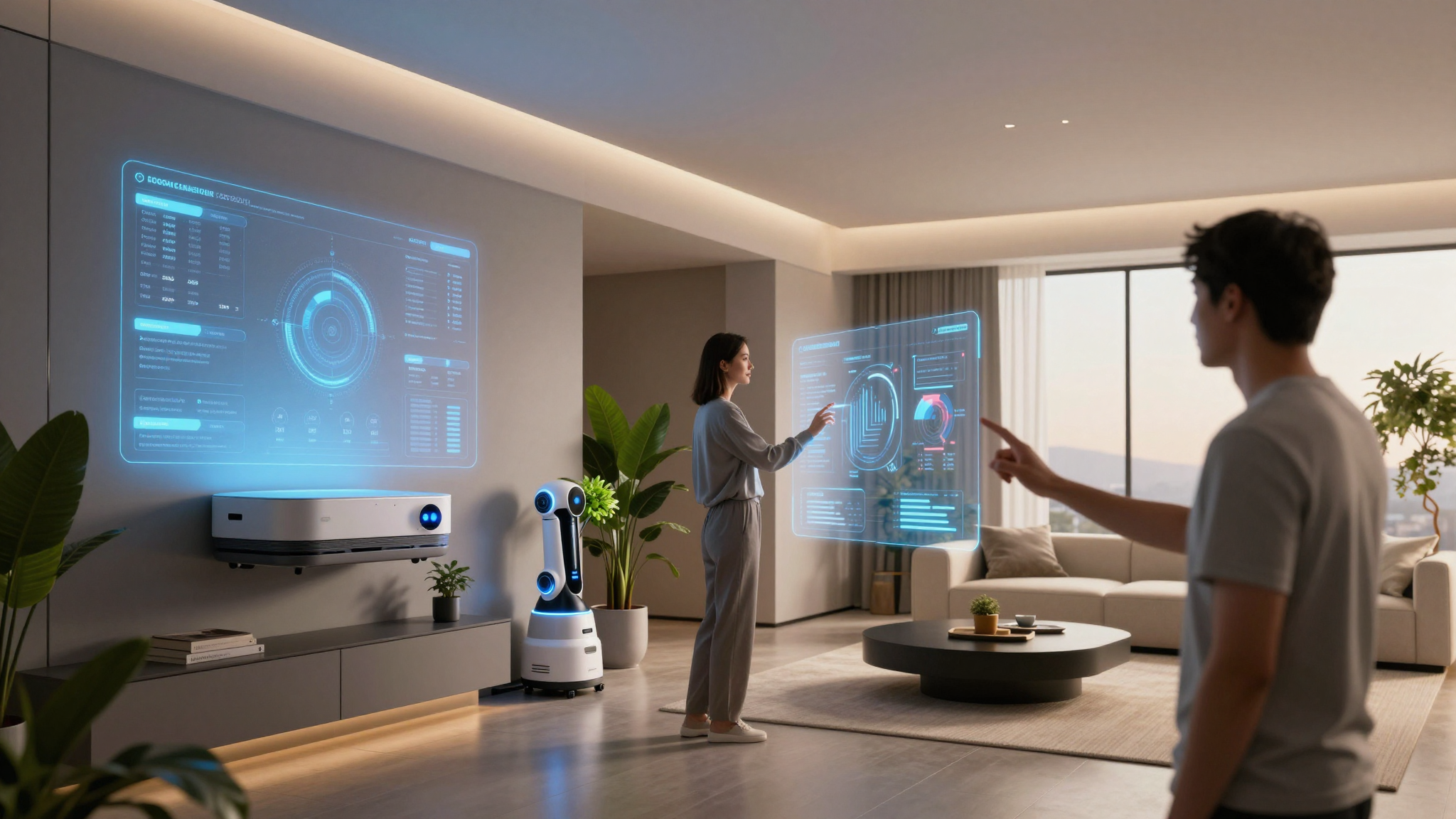
Ethical Considerations and the Future of Intelligent Hardware
As intelligent hardware becomes more pervasive, it’s crucial to consider the ethical implications of these technologies. In 2026, we’re facing a growing number of ethical dilemmas related to data privacy, algorithmic bias, and the potential for misuse.
Data privacy is a major concern. Intelligent hardware collects vast amounts of personal data, and it’s essential to ensure that this data is protected and used responsibly. Algorithmic bias is another critical issue. AI algorithms can perpetuate and amplify existing biases, leading to unfair or discriminatory outcomes. And let’s not forget about the potential for misuse. Intelligent hardware could be used for surveillance, manipulation, or even autonomous weapons systems. It’s essential to have robust ethical frameworks and regulations in place to prevent these technologies from being used for harm.
| Ethical Issue | Description | Potential Consequences | Mitigation Strategies |
|---|---|---|---|
| Data Privacy | Collection and use of personal data by intelligent hardware | Surveillance, identity theft, discrimination | Data encryption, anonymization, user consent, privacy regulations |
| Algorithmic Bias | Biases in AI algorithms that lead to unfair outcomes | Discrimination, inequality, social injustice | Bias detection, diverse datasets, algorithm transparency, ethical guidelines |
| Misuse Potential | Use of intelligent hardware for malicious purposes | Surveillance, manipulation, autonomous weapons | Ethical frameworks, regulations, international cooperation, security protocols |
| Environmental Impact | Resource depletion and pollution from the production and disposal of hardware | Environmental degradation, climate change, health problems | Sustainable design, recycling programs, responsible manufacturing practices |
Looking ahead, the future of intelligent hardware is likely to be shaped by several key trends. We can expect to see even more integration of AI and machine learning, leading to more sophisticated and personalized devices. We can also expect to see the emergence of new form factors and materials, such as flexible displays and biodegradable components. And let’s not forget about the potential for human augmentation. In the future, we may see intelligent hardware that is seamlessly integrated with our bodies, enhancing our physical and cognitive abilities.
💡 Key Insight
The key to navigating the future of intelligent hardware lies in striking a balance between innovation and responsibility. We need to embrace the potential benefits of these technologies while also mitigating the risks. This requires a collaborative effort involving researchers, policymakers, and the public.
The key to navigating the future of intelligent hardware lies in striking a balance between innovation and responsibility. We need to embrace the potential benefits of these technologies while also mitigating the risks. This requires a collaborative effort involving researchers, policymakers, and the public.
Want to make a difference? Learn about the rise of eco-friendly electronics and how you can choose sustainable devices. From recycled materials to energy-efficient designs, discover the innovative approaches driving the green tech revolution. Support companies that prioritize environmental responsibility!
Read Related GuideFrequently Asked Questions (FAQ)
Q1. What are the key components of an intelligent home ecosystem?
A1. The key components typically include a central control hub (like a smart speaker or display), smart appliances (refrigerators, ovens, washing machines), smart lighting, smart security systems (cameras, doorbells, alarms), and smart thermostats. These devices are interconnected and controlled through a mobile app or voice commands.
Q2. How can I improve the security of my smart home?
A2. Use strong, unique passwords for all your smart devices and your Wi-Fi network. Enable two-factor authentication whenever possible. Regularly update the firmware of your devices to patch security vulnerabilities. Consider using a separate Wi-Fi network for your smart devices to isolate them from your main network. Be cautious about granting permissions to apps that access your smart devices.
Q3. What are the benefits of using wearable tech for health monitoring?
A3. Wearable tech can provide continuous monitoring of vital signs such as heart rate, blood pressure, and sleep patterns. This data can be used to personalize healthcare, detect early signs of illness, and improve athletic performance. Some wearables can also deliver medication or provide alerts for potentially dangerous health conditions.
Q4. How do autonomous vehicles work?
A4. Autonomous vehicles use a combination of sensors (cameras, radar, lidar) to perceive their surroundings. AI algorithms analyze this data to create a 3D map of the environment and make decisions about steering, acceleration, and braking. The system also relies on GPS and pre-programmed maps to navigate.
Q5. What are the ethical concerns surrounding autonomous vehicles?
A5. Ethical concerns include safety (how do we ensure that autonomous vehicles can handle unexpected situations?), liability (who is responsible if an autonomous vehicle causes an accident?), and bias (how do we ensure that autonomous vehicles don't discriminate against certain groups of people?). There are also concerns about job displacement for professional drivers.
Q6. How is AI used in hardware design?
A6. AI is used to optimize chip design, automate manufacturing processes, and predict hardware failures. AI algorithms can analyze vast amounts of data to identify patterns and make decisions that would be impossible for humans to do. This leads to more powerful, efficient, and reliable hardware.
🔗 Recommended Reading
- 📌 Beyond the Hype: Repairing and Maintaining Your Investment in Next-Gen Spatial Computing Headsets (2026)
- 📌 Eco-Friendly Electronics in 2026: Disassembling and Recycling Sustainable Hardware - A Hands-On Guide
- 📌 Troubleshooting Advanced Sensor Integration: A 2026 Look at Common Failures and Fixes
- 📌 Foldable Flex Frustrations: Repairing and Extending the Lifespan of Your 2026 Rollable Display Devices