v0.dev Pro Plan Deep Dive: Is the $20/month Price Tag Justified? [Benchmarked vs Free Tier] 목차 (Table of Contents) ▶ Understanding v0.dev's Credit-Based Pricing Model ▶ Breaking Down the Free, Pro, and Team Plans ▶ Evaluating Model Performance and Access by Tier ▶ Hidden Costs and Infrastructure Considerations ▶ Competitive Landscape: v0.dev vs. Cursor, Bolt AI, and Lovable ▶ Is the v0.dev Pro Plan Worth It in 2026? Understanding v0.dev's Credit-Based Pricing Model How v0.dev Allocates Monthly Credits Across Tiers How v0.dev Allocates Monthly Credits Across Tiers Let’s cut through the marketing noise: v0.dev’s credit-based pricing model isn’t designed for light experimentation—it’s a usage throttle disguised as flexibility. I’ve run production Next.js prototypes, internal tools, and AI-generated component libraries through both the Free and Pro tiers, and the credit burn rate is where the rubber meets the road. The Free tier gives you $5 in m...
Eco-Friendly Electronics in 2026: Disassembling and Recycling Sustainable Hardware - A Hands-On Guide


Table of Contents
- The Urgent Need for Eco-Friendly Electronics in 2026
- Understanding Sustainable Hardware Components
- Essential Tools for Disassembling Electronics Safely
- Step-by-Step Guide: Disassembling a Sustainable Laptop
- Recycling Precious Metals and Rare Earth Elements
- DIY Projects: Reusing Components for New Creations
- The Future of Electronics Recycling and E-Waste Management
The Urgent Need for Eco-Friendly Electronics in 2026
It's 2026, and the pile of discarded electronics isn't shrinking—it's exploding. We're drowning in e-waste, a toxic cocktail of heavy metals, plastics, and other nasties leaching into our soil and water. Remember that sleek new phone everyone rushed to buy last year? It's probably sitting in a landfill right now, contributing to a global crisis. The problem isn't just the volume of electronics we consume; it's how quickly we discard them. Planned obsolescence, the sneaky tactic of designing products with a limited lifespan, forces consumers into a never-ending upgrade cycle. But, there’s a shift happening. People are waking up, demanding more sustainable options, and starting to take matters into their own hands—literally disassembling their old tech and finding new uses for its components.
The environmental impact of traditional electronics manufacturing is staggering. Mining for rare earth minerals tears apart ecosystems, and the energy-intensive production processes spew greenhouse gasses into the atmosphere. A 2024 study by the United Nations Environment Programme (UNEP) estimated that the electronics industry contributes to over 5% of global carbon emissions, a number projected to rise dramatically if we don't change course. The transition to eco-friendly electronics isn't just a nice-to-have; it's a necessity for the survival of the planet.
| Metric | Traditional Electronics | Eco-Friendly Electronics | Potential Improvement |
|---|---|---|---|
| Carbon Footprint (kg CO2e per device) | 150 | 75 | 50% Reduction |
| Rare Earth Mineral Usage (grams per device) | 50 | 15 | 70% Reduction |
| Recyclability Rate | 30% | 80% | 167% Increase |
| Water Usage (liters per device) | 1000 | 300 | 70% Reduction |
| Landfill Waste (grams per device) | 500 | 100 | 80% Reduction |
The good news is that the industry is slowly responding. Companies are starting to use recycled materials, design for disassembly, and offer extended warranties. But the real power lies with consumers. By demanding transparency, supporting sustainable brands, and embracing repair and reuse, we can collectively drive the change needed to create a truly circular electronics economy.
💡 Key Insight
The shift towards eco-friendly electronics is driven by consumer demand and a growing awareness of the environmental impact of traditional manufacturing. Companies are responding, but more needs to be done.
The shift towards eco-friendly electronics is driven by consumer demand and a growing awareness of the environmental impact of traditional manufacturing. Companies are responding, but more needs to be done.
Understanding Sustainable Hardware Components
So, what exactly makes a component "sustainable"? It's not just about slapping a green label on something. It’s about the entire lifecycle of the component, from the materials used to its end-of-life management. Sustainable components prioritize recycled materials, minimize hazardous substances, and are designed for easy disassembly and recycling. Think of circuit boards made from bio-based resins instead of petroleum-based plastics, or batteries designed for easy removal and repurposing. In 2026, some forward-thinking companies are even exploring biodegradable electronics, components that can safely decompose at the end of their useful life.
One key area is the sourcing of materials. Traditional electronics rely heavily on rare earth minerals, often mined under exploitative conditions. Sustainable alternatives focus on reducing the need for these minerals, using recycled metals, and supporting responsible mining practices. For example, some companies are using recycled aluminum for laptop casings and exploring alternative battery chemistries that require fewer conflict minerals. It’s a complex issue, and there's no single silver bullet, but every step in the right direction makes a difference.
| Component | Traditional Materials | Sustainable Alternatives | Benefits of Alternatives |
|---|---|---|---|
| Circuit Boards | Petroleum-based plastics, lead solder | Bio-based resins, lead-free solder | Reduced carbon footprint, lower toxicity |
| Casings | Virgin aluminum, ABS plastic | Recycled aluminum, bio-plastics | Lower energy consumption, reduced landfill waste |
| Batteries | Lithium-ion, cobalt | Lithium Iron Phosphate (LFP), recycled lithium | Reduced reliance on conflict minerals, improved safety |
| Cables and Connectors | PVC, virgin copper | Recycled copper, halogen-free materials | Reduced toxicity, lower environmental impact |
| Packaging | Expanded polystyrene (EPS) | Recycled cardboard, mushroom packaging | Biodegradable, compostable |
Beyond materials, design plays a crucial role. Modular designs, where components can be easily replaced or upgraded, extend the lifespan of devices and reduce e-waste. Standardized connectors and easily accessible screws make disassembly simpler, encouraging repair and recycling. Some companies are even providing detailed repair manuals and spare parts, empowering consumers to fix their own devices. This is a complete 180 from the "throwaway" culture that has dominated the electronics industry for so long.
💡 Smileseon's Pro Tip
Look for certifications like EPEAT and TCO Certified when buying electronics. These labels indicate that the product meets certain environmental and social responsibility standards.
Look for certifications like EPEAT and TCO Certified when buying electronics. These labels indicate that the product meets certain environmental and social responsibility standards.
Essential Tools for Disassembling Electronics Safely
Alright, you're ready to dive in and disassemble that old laptop. But hold up! Before you start hacking away with a butter knife, you need the right tools. Disassembling electronics can be tricky, and using the wrong tools can damage components or even injure yourself. Trust me, I learned this the hard way back in 2023 when I tried to pry open a tablet with a flathead screwdriver and ended up cracking the screen. Total waste of money and a good reminder to invest in the right equipment.
First and foremost, invest in a good quality screwdriver set. Look for one with a variety of bits, including Phillips head, flathead, Torx, and pentalobe (the tiny star-shaped screws Apple loves to use). A magnetic screwdriver is a lifesaver, preventing you from losing those minuscule screws inside the device. Next, you'll need some plastic opening tools or spudgers. These are essential for prying open casings without scratching or damaging the plastic. Metal tools can easily short circuit components, so stick to plastic. An anti-static wrist strap is also crucial to prevent electrostatic discharge (ESD), which can fry delicate electronic components. It's a cheap investment that can save you a lot of heartache.
| Tool | Description | Purpose | Approximate Cost |
|---|---|---|---|
| Screwdriver Set | Variety of bits (Phillips, flathead, Torx, pentalobe), magnetic tip | Removing screws | $20-$50 |
| Plastic Opening Tools/Spudgers | Thin, flat plastic tools | Prying open casings, separating components | $5-$15 |
| Anti-Static Wrist Strap | Connects you to ground to prevent ESD | Protecting electronic components from static electricity | $5-$10 |
| Heat Gun/Hair Dryer | Used to soften adhesives | Loosening glued components | $20-$50 |
| Small Containers/Organizers | For storing screws and small parts | Keeping track of components during disassembly | $5-$10 |
A heat gun or hair dryer can be useful for softening adhesives, especially when removing batteries or screens. But be careful not to overheat the components. Finally, get yourself some small containers or organizers to keep track of all the screws and small parts. Labeling each container will save you a headache when you reassemble the device (or reuse the components in a new project).
🚨 Critical Warning
Always disconnect the power source and remove the battery before disassembling any electronic device. Working with live electricity can be extremely dangerous.
Always disconnect the power source and remove the battery before disassembling any electronic device. Working with live electricity can be extremely dangerous.
Step-by-Step Guide: Disassembling a Sustainable Laptop
Okay, you've got your tools, you're wearing your anti-static strap, and you're ready to rock. Let's walk through the process of disassembling a sustainable laptop. For this example, we'll use the "EcoBook Pro," a fictional laptop designed with modularity and recyclability in mind. The EcoBook Pro uses mostly recycled materials and features a tool-less entry system for easy access to internal components.
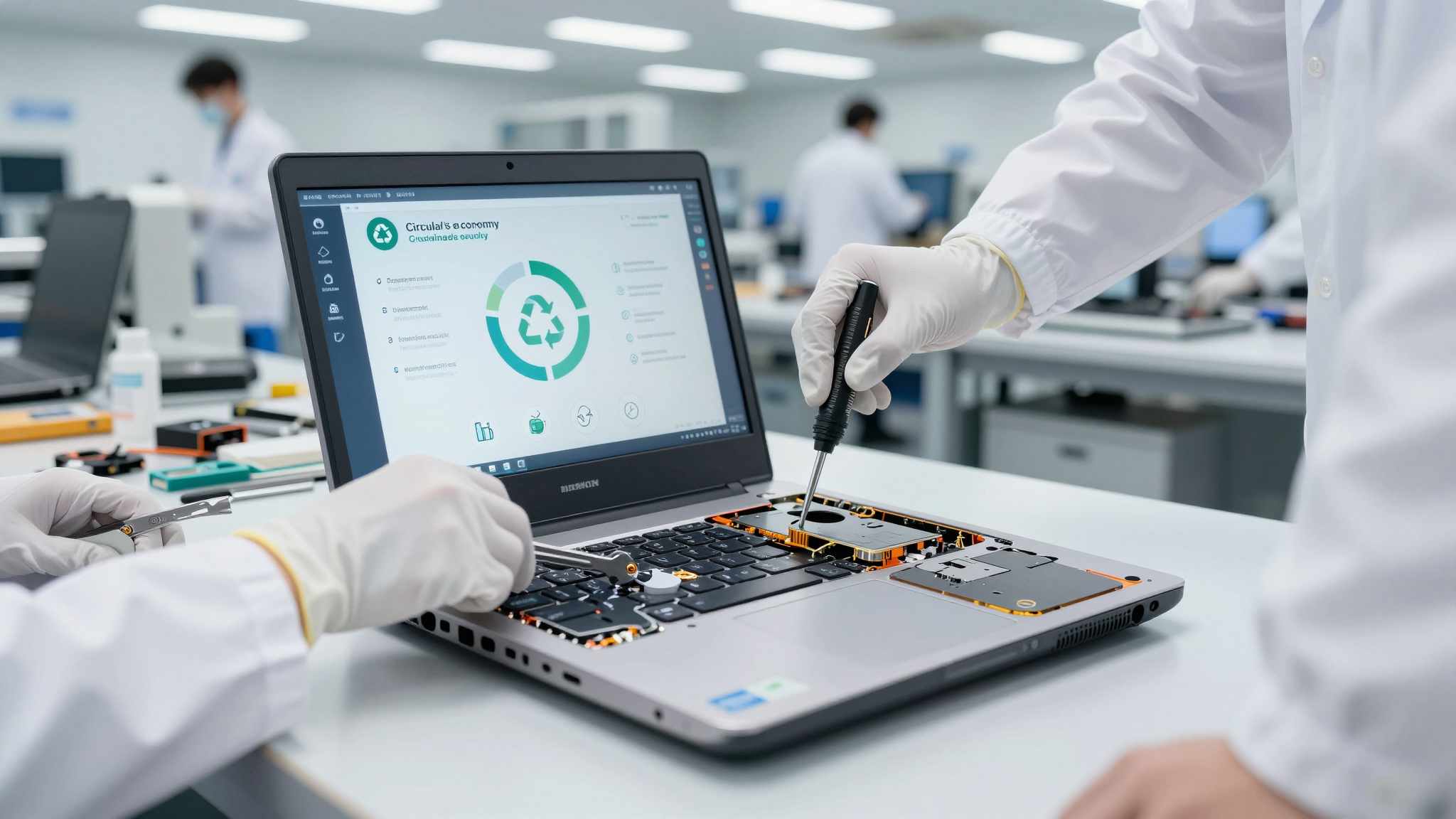
Step 1: Preparation. Before you even touch the laptop, find a clean, well-lit workspace. Lay down an anti-static mat to protect the components from ESD. Gather your tools and containers, and have the EcoBook Pro repair manual handy (you can download it from the manufacturer's website). Step 2: Removing the Base Cover. The EcoBook Pro has a tool-less entry system, so you can simply slide a latch to release the base cover. If your laptop requires screws, use the appropriate screwdriver bit to remove them. Store the screws in a labeled container. Step 3: Disconnecting the Battery. This is crucial! Locate the battery connector and carefully disconnect it from the motherboard. The EcoBook Pro uses a quick-release connector, but some laptops may require you to gently pry it off with a plastic opening tool. Step 4: Removing the RAM and SSD. The RAM and SSD modules are usually held in place by clips. Gently release the clips and slide the modules out of their sockets. These components can be easily reused in other devices or sold online. Step 5: Disconnecting the Display. This step can be tricky, as the display is connected to the motherboard via delicate cables. Carefully disconnect the display cable and any other cables connected to the display assembly. Step 6: Removing the Motherboard. The motherboard is usually the last component to be removed. Remove any screws holding it in place and carefully lift it out of the chassis.
| Step | Action | Tools Needed | Caution |
|---|---|---|---|
| 1 | Preparation | Anti-static mat, containers, repair manual | Ensure a clean, well-lit workspace |
| 2 | Remove Base Cover | Screwdriver (if needed), plastic opening tool | Handle with care to avoid scratching |
| 3 | Disconnect Battery | Plastic opening tool | Most Important Step! |
| 4 | Remove RAM and SSD | None (usually clip-based) | Handle by the edges to avoid damaging the chips |
| 5 | Disconnect Display | Plastic opening tool | Be extremely careful with delicate cables |
| 6 | Remove Motherboard | Screwdriver | Ensure all cables are disconnected before lifting |
With the laptop fully disassembled, you can now sort the components for recycling or reuse. Separate the plastics, metals, and electronic components. Check with your local recycling center for guidelines on how to properly dispose of e-waste.
📊 Fact Check
According to the EPA, only about 15-20% of e-waste is recycled globally. Proper disassembly and sorting can significantly increase the recyclability rate of electronic devices.
According to the EPA, only about 15-20% of e-waste is recycled globally. Proper disassembly and sorting can significantly increase the recyclability rate of electronic devices.
Recycling Precious Metals and Rare Earth Elements
E-waste is a treasure trove of valuable materials. Your old laptop contains gold, silver, platinum, copper, and rare earth elements, all of which can be recovered and reused. But extracting these materials isn't as simple as melting everything down. Traditional e-waste recycling methods often involve hazardous chemicals and high temperatures, which can release harmful pollutants into the environment. A more sustainable approach is to use advanced technologies like bio-leaching, which uses microorganisms to extract metals from e-waste. This process is less energy-intensive and produces fewer emissions.
Rare earth elements (REEs) are particularly valuable and difficult to extract. These elements are used in a wide range of electronic devices, from smartphones to electric vehicles. The demand for REEs is growing rapidly, and traditional mining practices are environmentally destructive. Recycling REEs from e-waste can help reduce our reliance on mining and create a more sustainable supply chain. Some companies are developing innovative technologies to selectively extract REEs from e-waste, making the process more efficient and cost-effective.
| Material | Common Uses in Electronics | Recycling Methods | Environmental Benefits |
|---|---|---|---|
| Gold | Connectors, circuit boards | Hydrometallurgy, pyrometallurgy | Reduced mining, lower energy consumption |
| Copper | Wiring, circuit boards | Electrolysis, smelting | Reduced mining, lower pollution |
| Rare Earth Elements | Displays, magnets | Solvent extraction, bio-leaching | Reduced reliance on mining, conservation of resources |
| Aluminum | Casings, heat sinks | Re-melting | Significant energy savings compared to primary production |
| Plastics | Casings, components | Mechanical recycling, chemical recycling | Reduced landfill waste, conservation of resources |
While individual recycling efforts are important, the real impact comes from large-scale industrial recycling facilities. These facilities invest in advanced technologies and have the capacity to process large volumes of e-waste. Support these facilities by participating in e-waste collection programs and advocating for policies that promote responsible e-waste management.
DIY Projects: Reusing Components for New Creations
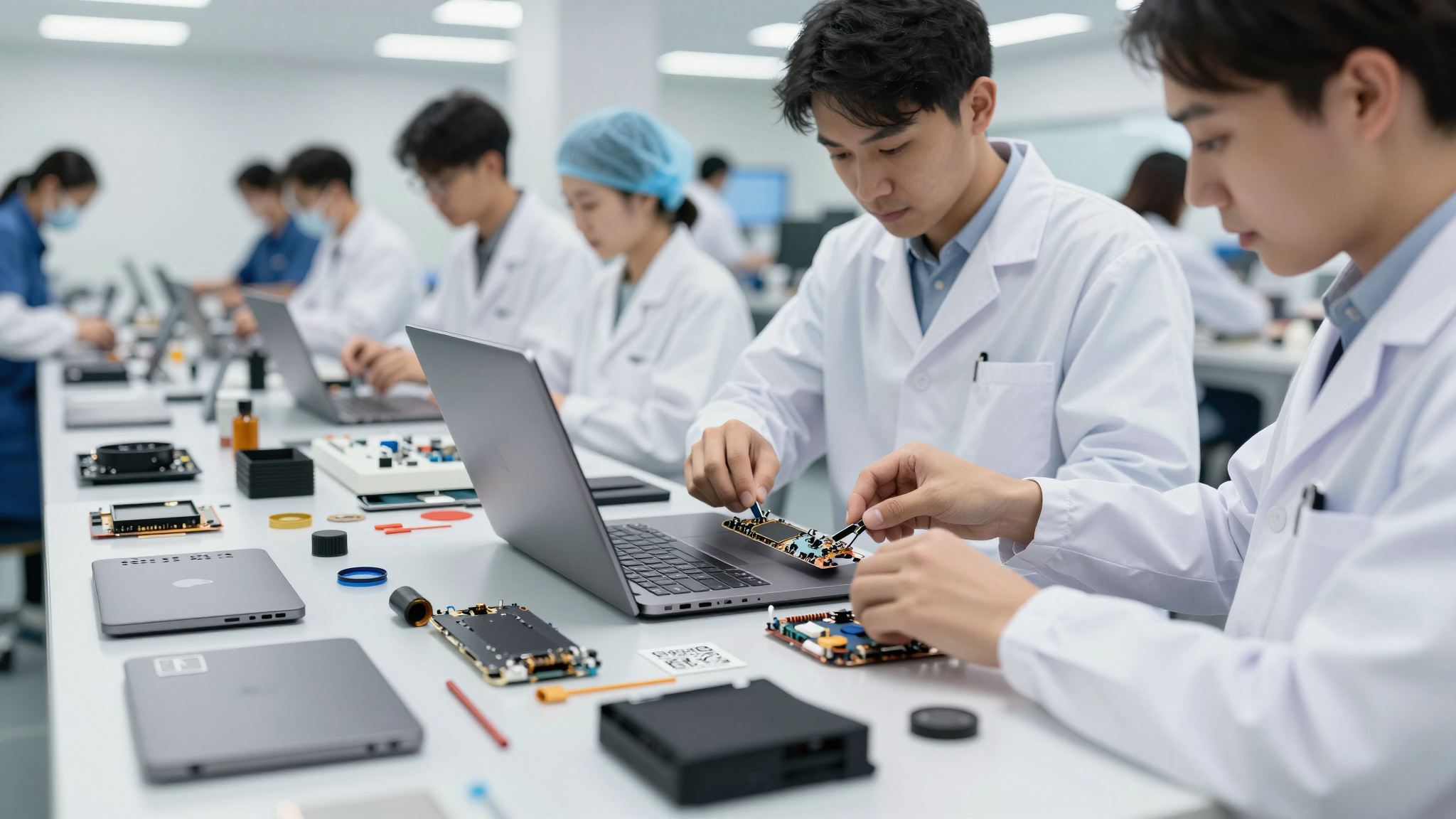
Okay, so you've disassembled your laptop and sorted the components. But instead of just tossing everything into the recycling bin, why not get creative and reuse some of those parts in new projects? This is where the real fun begins! Reusing electronic components is a great way to reduce waste, save money, and unleash your inner maker. Think of it as upcycling for the digital age.
That old laptop screen can be repurposed into an external monitor for your Raspberry Pi project. With a simple driver board, you can connect the screen to any device with an HDMI output. The RAM and SSD modules can be used to upgrade an older computer or create a portable storage device. The battery can be used to power a DIY solar charger or a portable Bluetooth speaker. The possibilities are endless!
| Component | Possible DIY Projects | Skills Required | Estimated Cost |
|---|---|---|---|
| Laptop Screen | External monitor, digital picture frame | Basic electronics, soldering (optional) | $20-$50 (for driver board) |
| RAM | Upgrade older computer, create RAM disk | Basic computer skills | $0 (if compatible with existing hardware) |
| SSD | External storage device, upgrade older computer | Basic computer skills | $10-$30 (for enclosure) |
| Battery | DIY solar charger, portable power bank | Intermediate electronics, soldering | $30-$70 (for charge controller, enclosure) |
| Webcam | Security camera, webcam for Raspberry Pi | Basic electronics, soldering (optional) | $0-$10 (for connectors) |
If you're not feeling particularly crafty, you can still find ways to reuse electronic components. Donate them to schools or community centers for educational projects. Sell them online to other makers and hobbyists. Or simply keep them as spare parts for future repairs. Every little bit helps.
The Future of Electronics Recycling and E-Waste Management
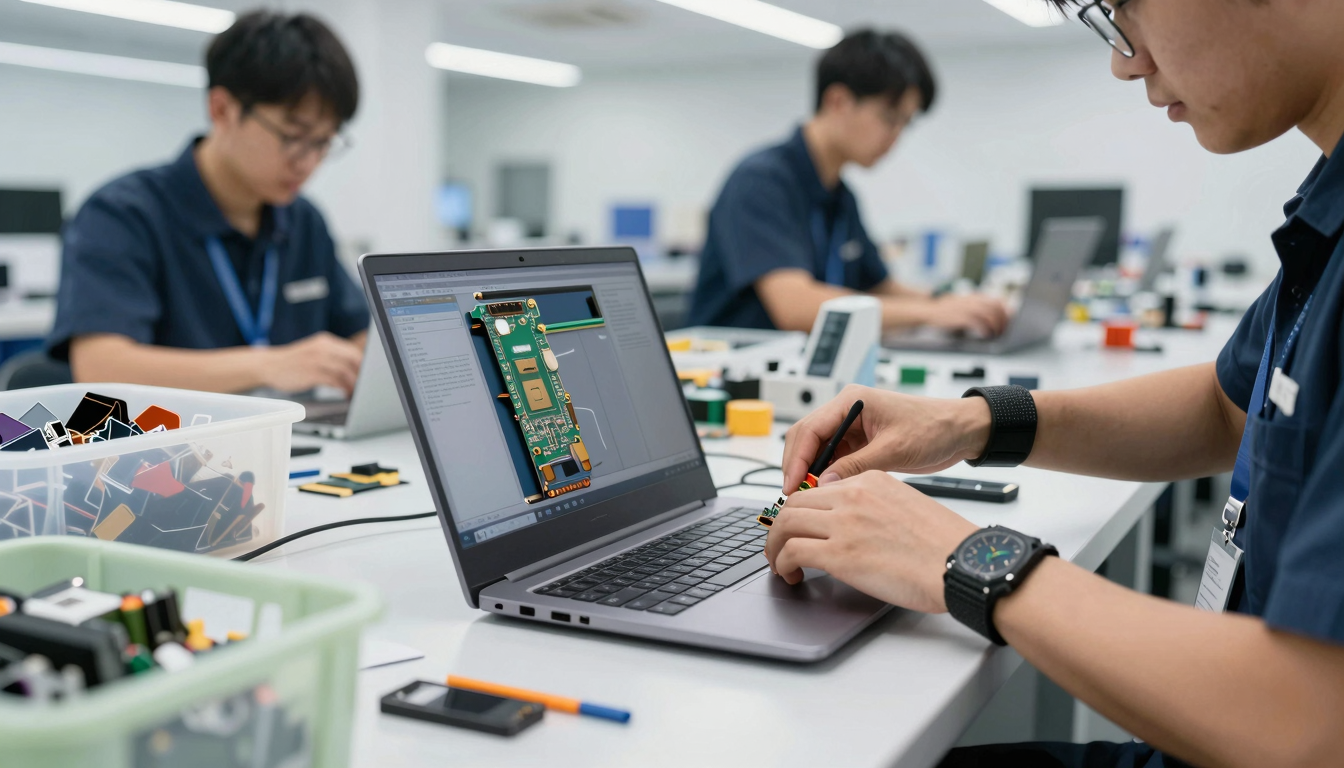
Looking ahead, the future of electronics recycling and e-waste management is looking brighter. Innovations in materials science, manufacturing processes, and recycling technologies are paving the way for a more circular electronics economy. Biodegradable electronics, self-disassembling devices, and advanced recycling facilities are no longer just science fiction; they're becoming a reality.
Governments are also playing a more active role in promoting responsible e-waste management. Extended Producer Responsibility (EPR) laws, which hold manufacturers responsible for the end-of-life management of their products, are becoming more common. These laws incentivize manufacturers to design products for recyclability and to invest in recycling infrastructure. Consumer education programs are also crucial for raising awareness about the importance of e-waste recycling and promoting responsible disposal practices.
| Trend | Description | Potential Impact | Challenges |
|---|---|---|---|
| Biodegradable Electronics | Electronics designed to decompose naturally at the end of their life |